




Transforming today's prodigies into tomorrow's icons!


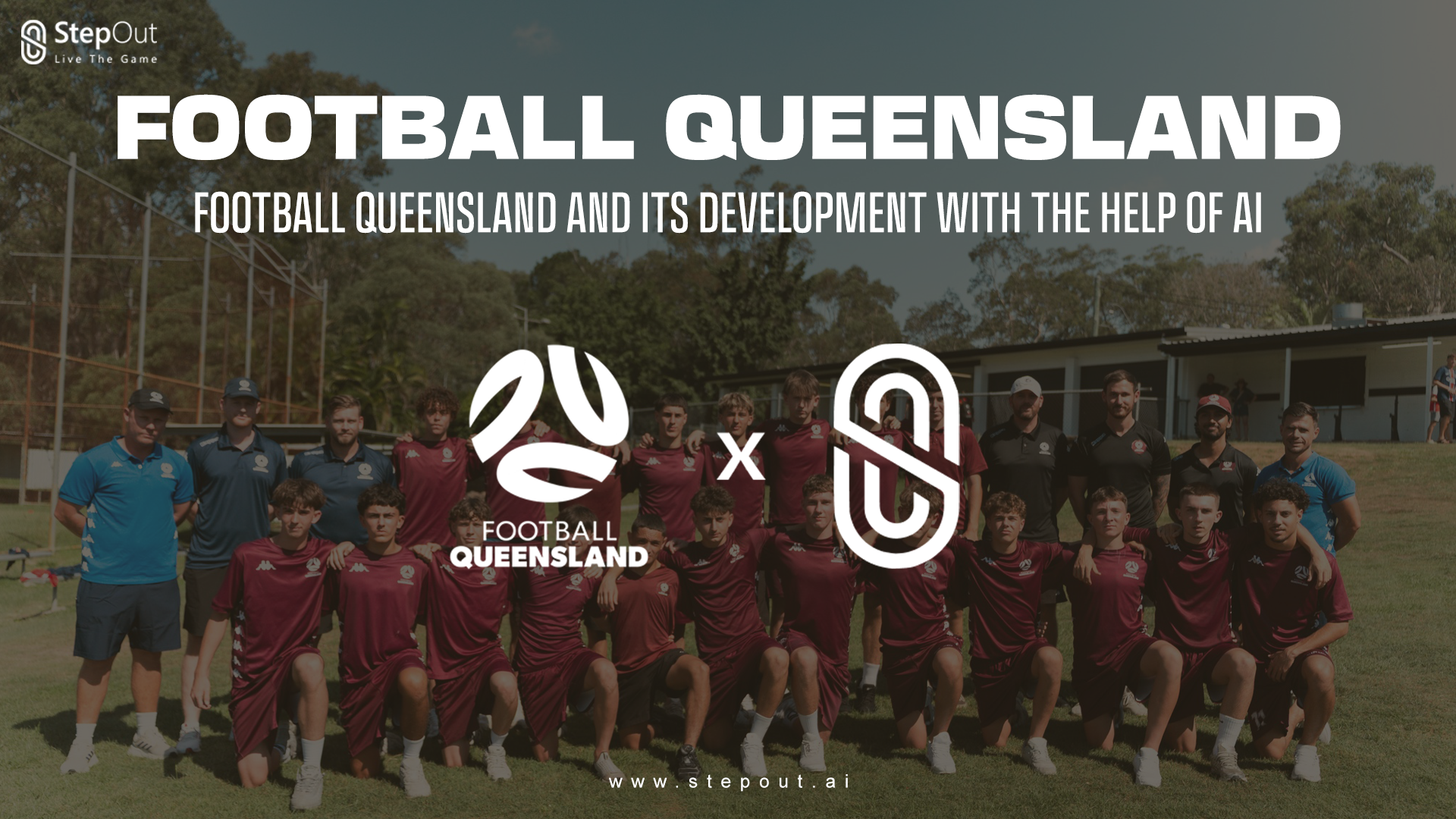

Football in Queensland: A Structured Ecosystem
Football in Queensland operates through a well-organized and decentralized system. Given the state’s large geography, development is spread across multiple regions, ensuring access and participation at every level. The ecosystem connects grassroots football to semi-professional competitions, creating a clear pathway for players, coaches, and referees. This structure allows consistent growth while maintaining competitive standards across regions.

Growth of Football in Queensland
In recent years, Queensland has emerged as one of the fastest-growing football regions in Australia. Increased participation, especially in women’s football, has been a major driver. The focus on structured development programs, youth pathways, and coach education has strengthened the overall ecosystem. At the same time, efforts to improve commercial viability and fan engagement are helping the game expand beyond the pitch. A key factor behind this growth has been the gradual adoption of digital tools and analytics, enabling more informed decision-making across all levels.
Role of Football Queensland
As the governing body, Football Queensland oversees competitions ranging from grassroots leagues to semi-professional tiers. It is responsible for developing players, coaches, and referees while ensuring consistent standards across the state. The organization also plays a critical role in building long-term pathways. By investing in academies, education programs, and structured competitions, it creates a sustainable environment for football development. In recent years, the integration of AI and digital systems has further strengthened these efforts, bringing more clarity and efficiency into operations.
Football Queensland Premier League
The Football Queensland Premier League serves as a key component of the state’s football pyramid. It provides a competitive platform that bridges grassroots football and higher-level competitions. By offering structured progression and increased exposure for clubs and players, the league strengthens the pathway toward elite football. It also contributes to raising the overall standard of competition within the region.
Pathway to Becoming a Referee
Refereeing is an essential part of the football ecosystem in Queensland. Individuals typically begin at a young age, meeting basic eligibility requirements and completing certification courses. As referees gain experience, they progress through different levels, moving from community competitions to higher-level matches. This structured pathway ensures quality officiating while creating opportunities for long-term development.
Where StepOut Fits In
Modern football associations require more than traditional systems to manage growth effectively. This is where StepOut adds value. By introducing AI-driven performance analytics, StepOut helps associations enhance player development, coaching standards, and competition analysis. It simplifies complex workflows by converting match footage into actionable insights, reducing the need for manual analysis. For organizations like Football Queensland, this means improved operational efficiency, better talent identification, and more structured development programs across all levels.
Conclusion
The evolution of football in Queensland reflects a broader shift in the sport—towards structured development supported by technology. With the integration of AI and analytics, organizations are now able to make more informed decisions, optimize performance pathways, and scale development more effectively. Platforms like StepOut play a key role in enabling this transition, helping build a more efficient and competitive football ecosystem.

Access in-depth performance data, tactical intelligence, and AI-driven match insights for your team.