
Patterns, Pressure, Precision: Barcelona’s Tactical Win
We decode what others overlook.
A Tactical Tug-of-War: Initial Pressing and Positional Play
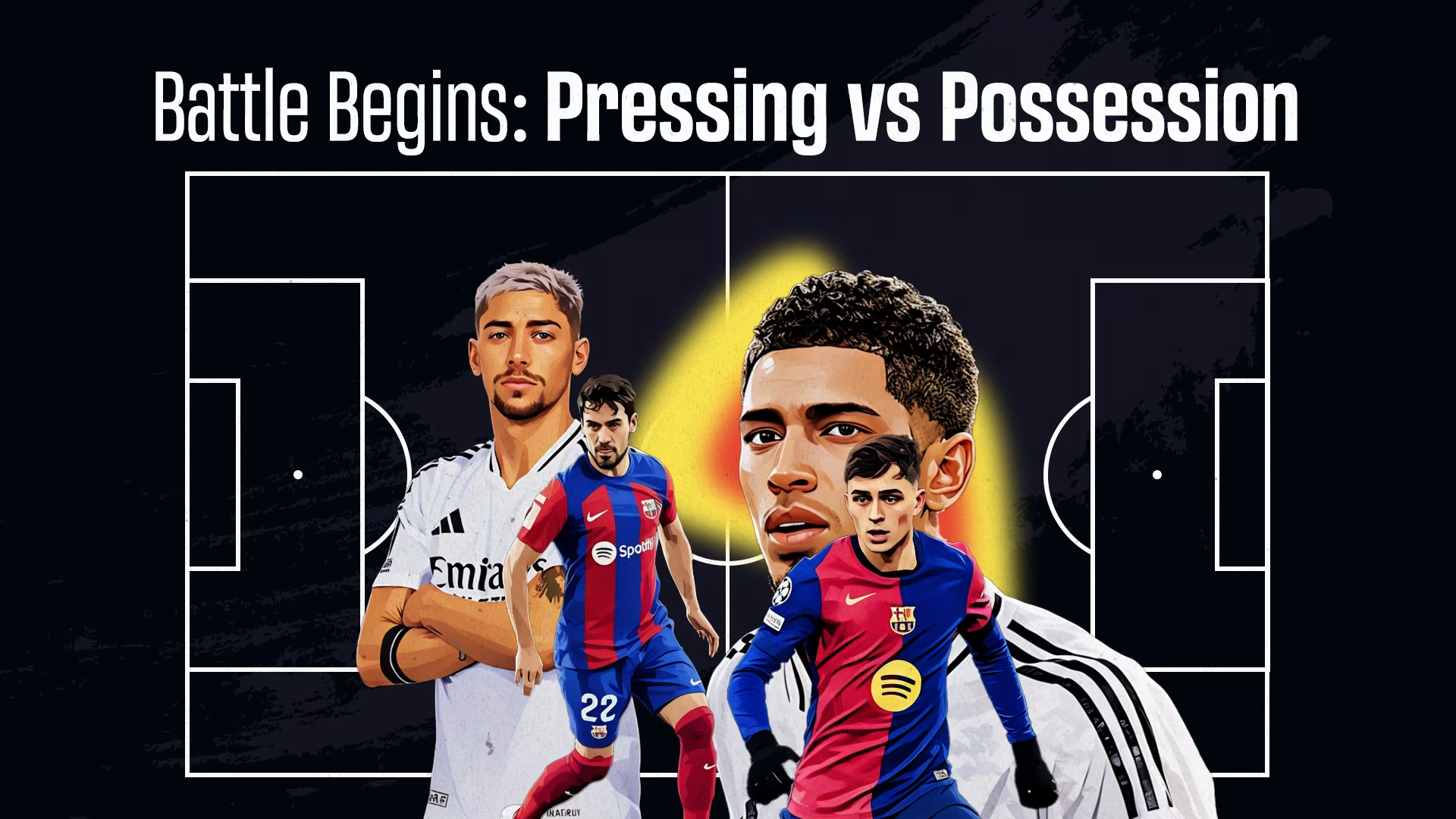
From the opening whistle, the match presented a battle of tactical ideas. Barcelona, led by Hansi Flick’s well-structured game plan, looked to dominate possession early. Their pressing was organized and purposeful, aiming to draw Real Madrid out and create space to exploit. A key feature of their approach was positioning, drawing Real Madrid's defensive players into specific areas to trigger high pressing sequences and create openings. However, Madrid wasn’t passive in this exchange. Under Carlo Ancelotti, Madrid sought to remain compact in defense while pressing with high intensity in the middle of the park, disrupting Barcelona’s ability to settle on the ball. The first half saw a tug-of-war between Barcelona’s patient possession and Madrid’s aggressive pressing, with both teams trying to outthink each other in key moments.
The Use of Width: Stretching Defenses and Creating Gaps
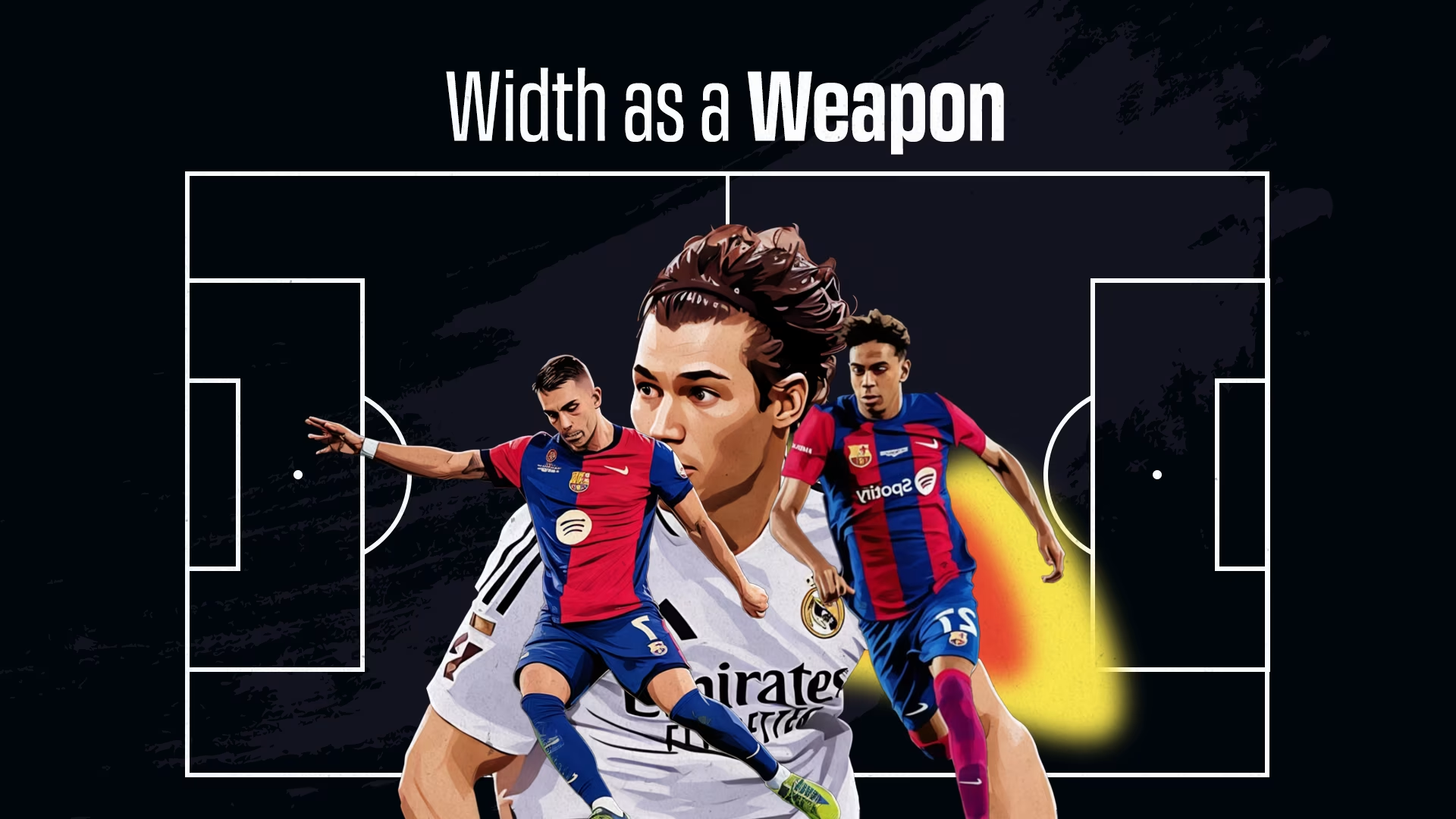
One of Barcelona's most effective strategies was their use of width. Madrid’s full-backs, often pushed high to support the attack, left large gaps behind. Barcelona, with their quick transitions and wide players, took advantage of this by stretching Madrid’s defensive shape.
Lamine Yamal, stationed on the right, became a key figure in exploiting this space. His direct running and flair in 1v1 situations frequently put pressure on Madrid's right flank, forcing defensive shifts and stretching the defense. On the other hand, Real Madrid looked to use their own wide players particularly on the left, to create threats and maintain balance in their attack. Both teams understood the importance of width, with Barcelona often using it to destabilize Madrid’s compact structure while Madrid tried to counter with their pace on the break.
Smart Rotations and Movement: Both Teams Seeking Control
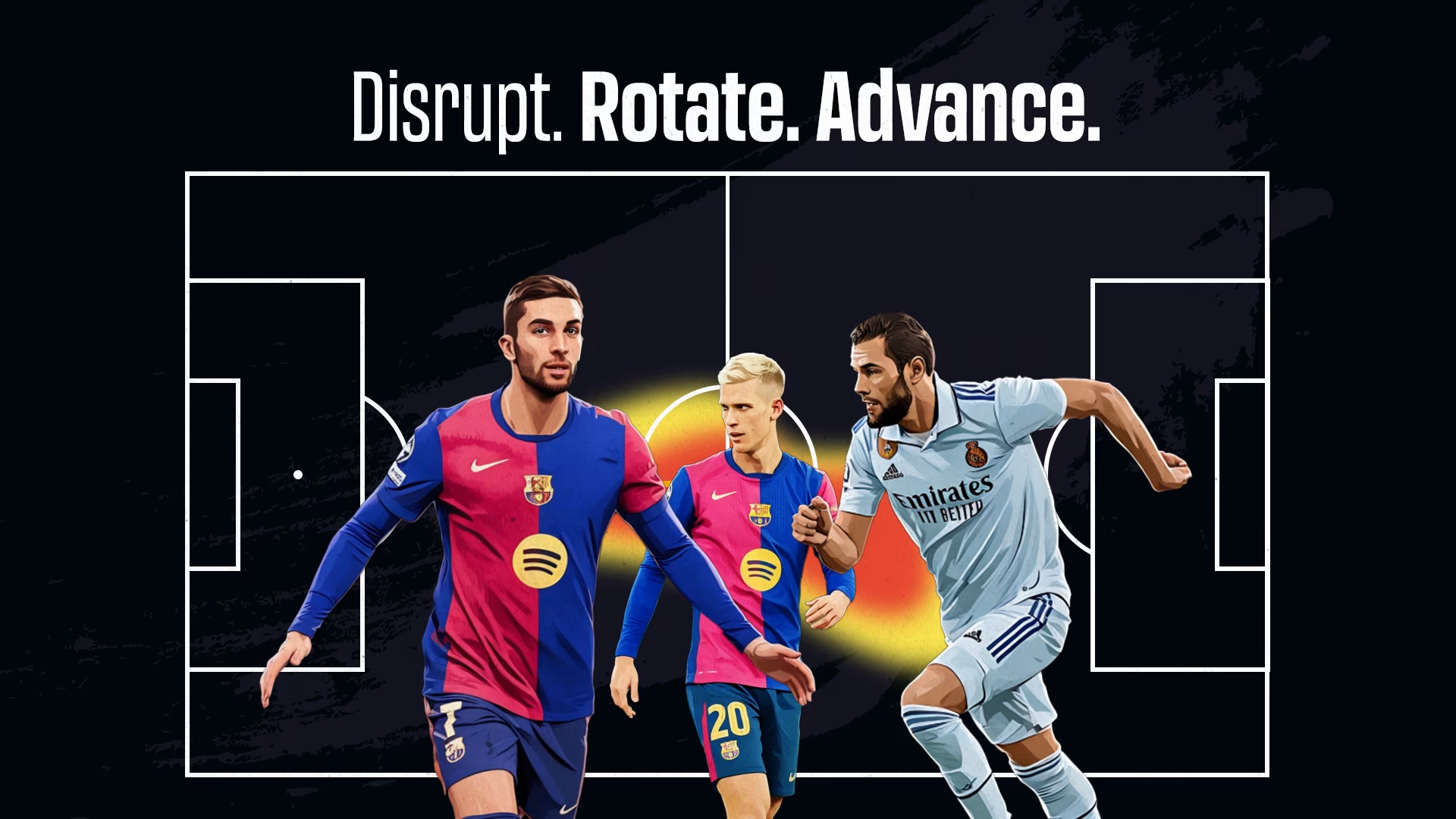
A defining feature of the match was the intelligent rotations seen across both sides. Barcelona’s movement off the ball was fluid, with Ferran Torres often dropping deeper to pull Madrid’s defensive line out of shape. This created central spaces for other attackers to exploit, while Dani Olmo and others made runs into the vacated areas. Torres’ movements helped create critical moments, particularly when he latched onto a well-executed ball from Lamine Yamal to score the equalizer.
Barcelona’s fluidity in transition stood out—players seamlessly interchanged roles, with midfielders stepping wide, full-backs inverting, and attackers dropping deep to recycle possession. It was this positional freedom, orchestrated within a clear structure, that made their attacks unpredictable and cohesive.
However, Madrid also demonstrated their own understanding of positional play. Federico Valverde and Aurélien Tchouaméni were crucial in linking defense to attack—Valverde covering ground across the midfield, and Tchouaméni breaking lines with sharp passing. Karim Benzema used his experience to drop into deeper spaces, drawing defenders away and creating channels for Madrid’s midfielders to exploit. Madrid’s own rotations, though slightly more direct, created multiple moments of danger, particularly when they transitioned quickly after Barcelona’s high press.
Real Madrid’s Counter-Pressing and Barcelona’s Composure
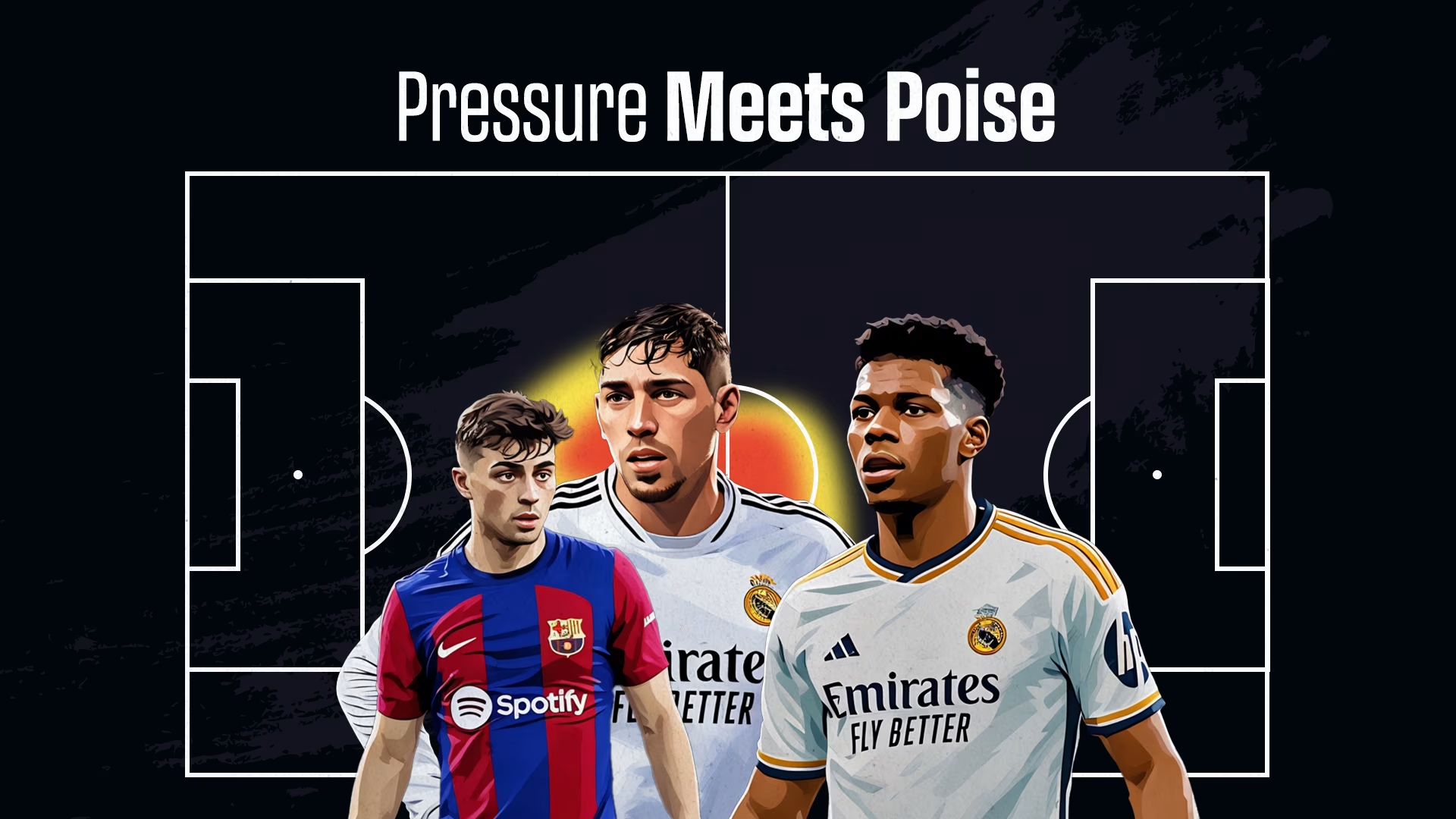
While Barcelona’s pressing and structured buildup initially dominated possession, Real Madrid showed their resilience with counter-pressing moments that unsettled the Catalan side. The key for Madrid was their ability to quickly recover the ball after losing possession and immediately looking for direct outlets, such as through Vinícius Júnior’s runs or Benzema’s link-up play.
Barcelona, however, remained composed. They were able to reset when necessary, dictating the tempo with patient passing and maintaining control in key moments, especially after conceding the equalizer. Their ability to stay structured and find gaps in Madrid's defensive shape proved critical. It wasn’t just about Barcelona’s transitions—it was their ability to sustain their attacking pressure without losing composure, even when Madrid responded with waves of attack.
Another key facet of Barcelona’s game was their high defensive line—a trademark under Flick. It allowed them to compress the pitch, win the ball back higher, and maintain pressure in Madrid’s half. Despite the risks, the coordination between the backline and midfield pressing ensured it worked more often than not.
Madrid’s Fightback: Tactical Adjustments and Momentum Shifts
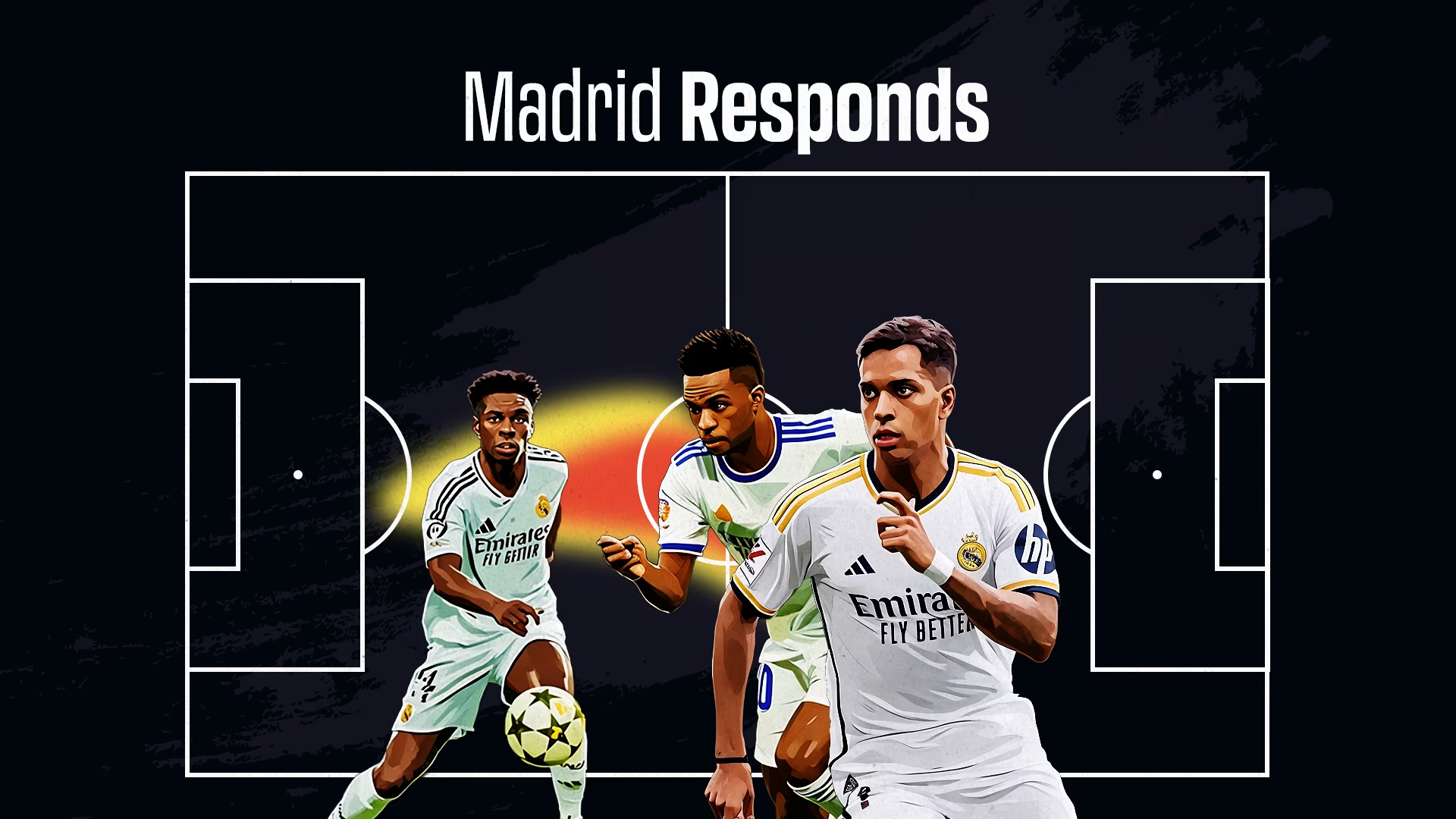
After Barcelona took the lead, Real Madrid mounted a strong fightback, with Tchouaméni’s late goal in the 85th minute bringing them level. Madrid’s attacking game, powered by individual brilliance and collective movement, surged forward with intensity. This moment of resurgence showed Madrid's tactical flexibility, adjusting their shape to press higher and create pressure on Barcelona’s defense.
Despite Madrid’s pressure, Barcelona’s defensive organization held firm. With Barcelona maintaining their disciplined structure, they ensured Madrid's attacks were not as effective as they hoped. In a match where momentum shifted multiple times, Barcelona’s ability to regain control and capitalize on Madrid's high defensive line was crucial in sealing the victory with a final, decisive goal.
Amid this pressure, Marc-André ter Stegen’s experience and composure came to the fore. On the verge of veteran status, his commanding presence and critical saves reminded everyone why he remains one of Europe’s most reliable keepers.
The Final Moments: Barcelona’s Tactical Execution Under Pressure
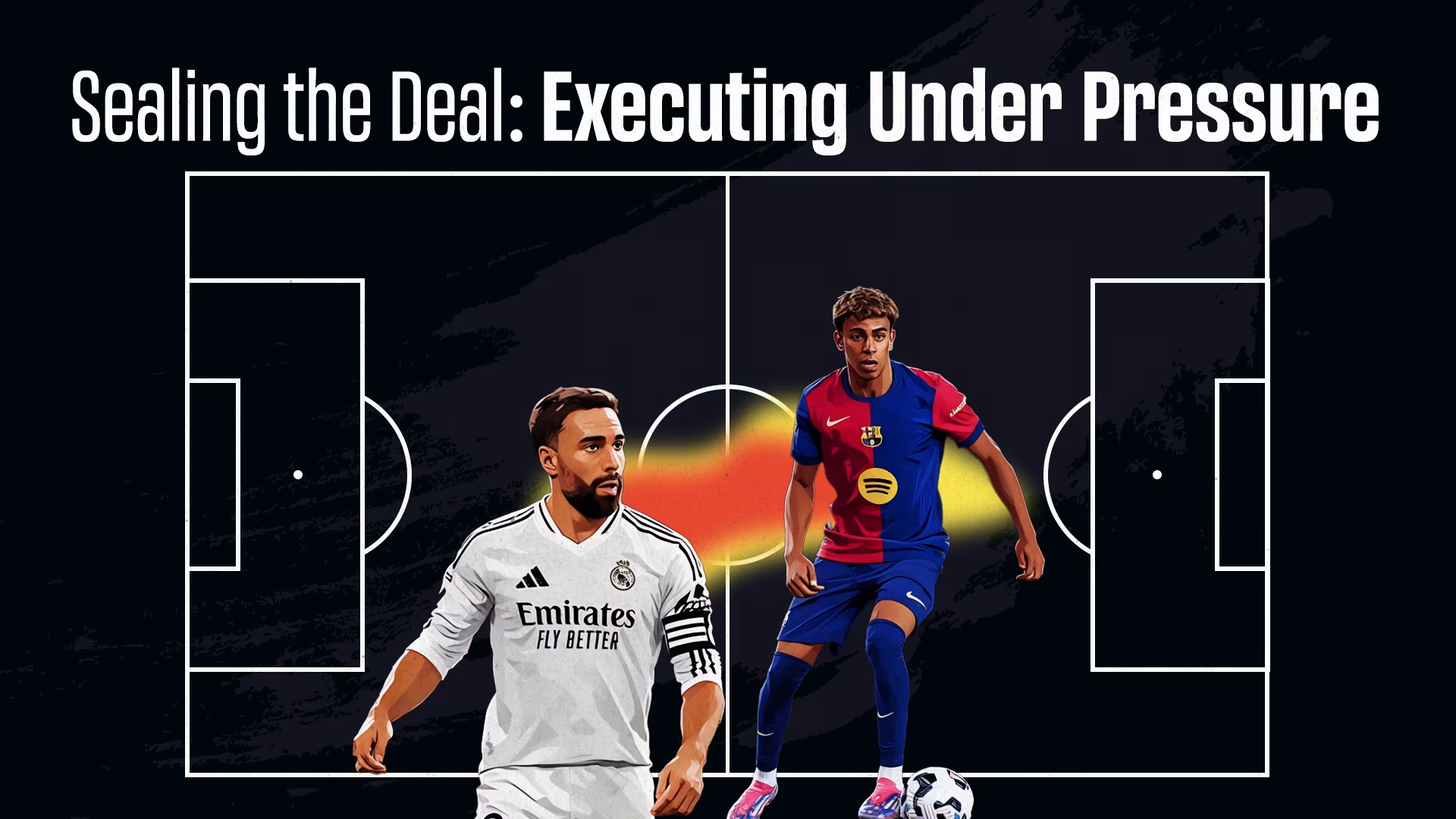
As the game neared its end, the score level at 2-2, both teams faced one last tactical challenge. Barcelona, however, responded with characteristic calm under pressure. Their ability to execute quick, efficient transitions allowed them to exploit the space left by Madrid’s high press, eventually securing the winning goal in the dying moments.
Madrid, despite their valiant efforts, could not sustain their pressure long enough to prevent Barcelona from taking advantage of their defensive lapses. The final goal wasn’t just about Barcelona’s offensive play—it was the culmination of their ability to stay tactical and patient under the intense pressure applied by Madrid.
Conclusion: A Tactical Duel Decided by Execution
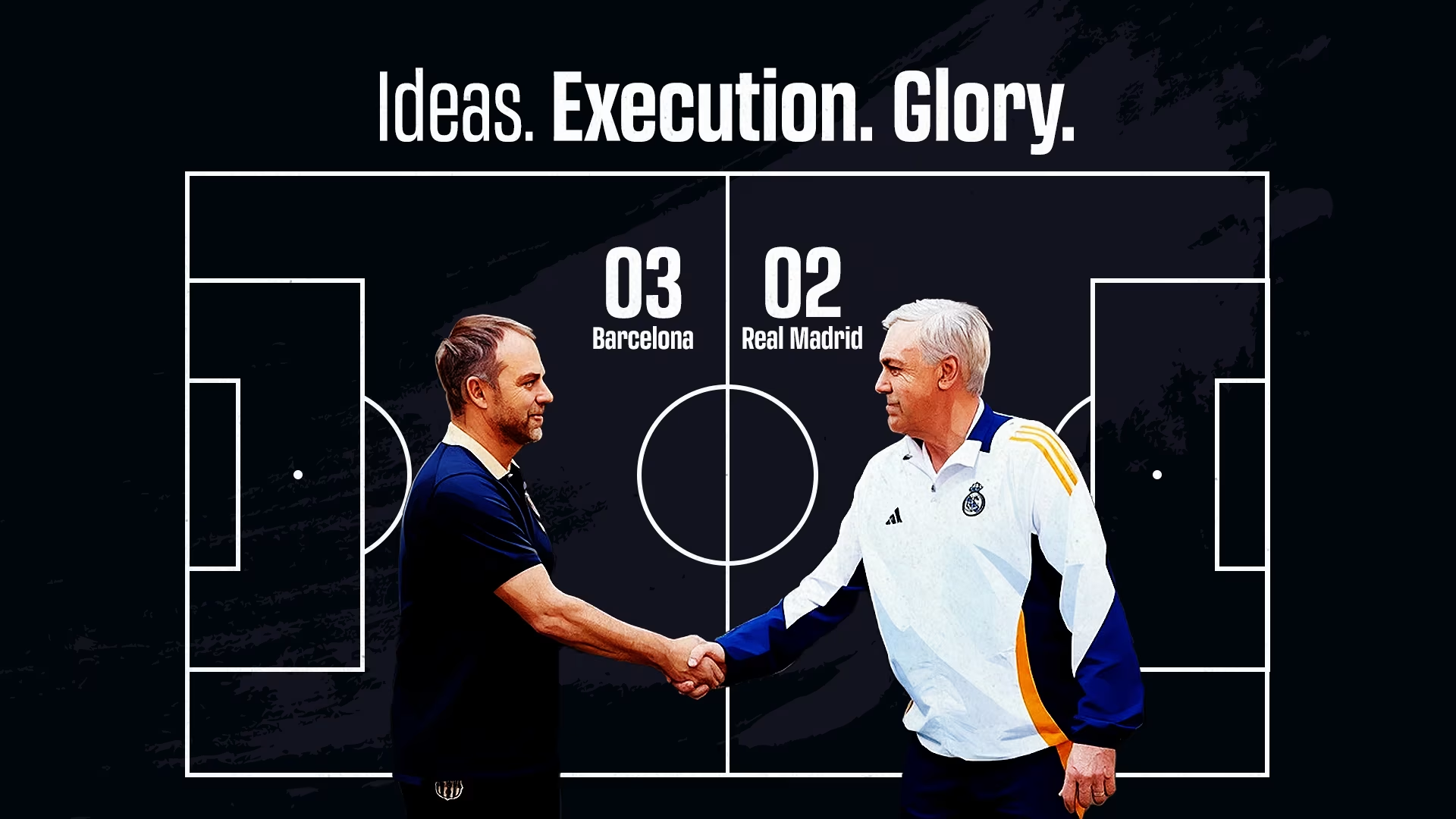
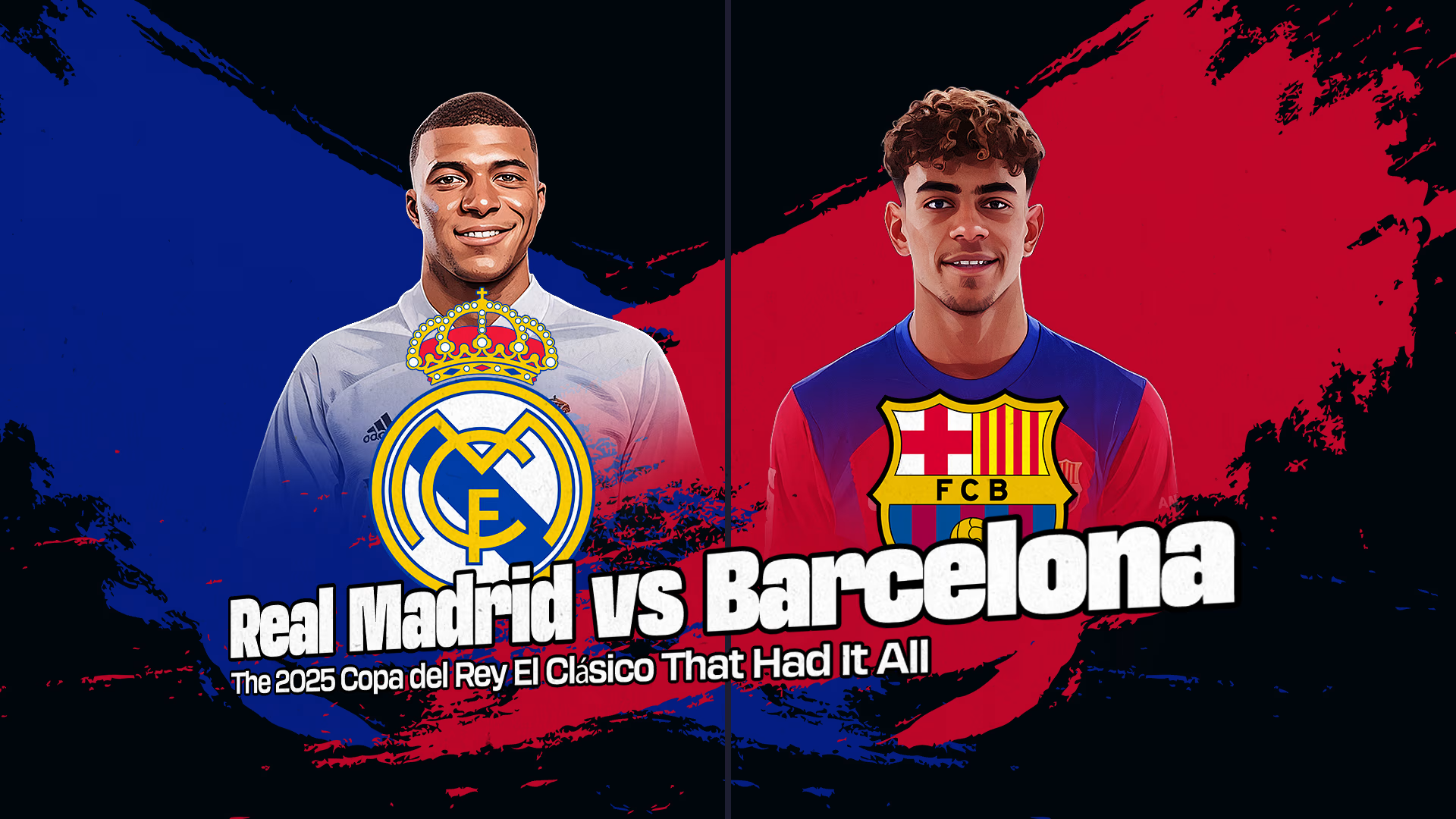
The 2025 Copa del Rey Final was a captivating battle of tactics, with both teams displaying moments of brilliance. Barcelona’s ability to use width, their intelligent rotations, high-line structure, and quick transitions gave them the edge, while Real Madrid demonstrated their resilience, especially with their aggressive counter-pressing, tactical flexibility, and late-game intensity. Ultimately, it was Barcelona’s tactical execution under pressure and their ability to stay composed during key moments that helped them secure the win.
Both teams showed tactical maturity and understanding, making it a memorable and evenly matched El Clásico.