

There’s something about football and Brazil that feels like destiny. For Brazilians, football isn’t just a sport; it’s a cultural heartbeat, a shared identity, and a passion passed down through generations. This relationship goes beyond trophies and famous players—it’s woven into the fabric of everyday life.
The Roots of Football in Brazil
When football arrived on Brazilian shores in the late 19th century, no one could have predicted how deeply it would take root. Introduced by European immigrants and British expats, it quickly became a sport of the people. For many, especially in the favelas and poorer communities, football was more than recreation; it was a way out—a dream that inspired hope in those with little else.
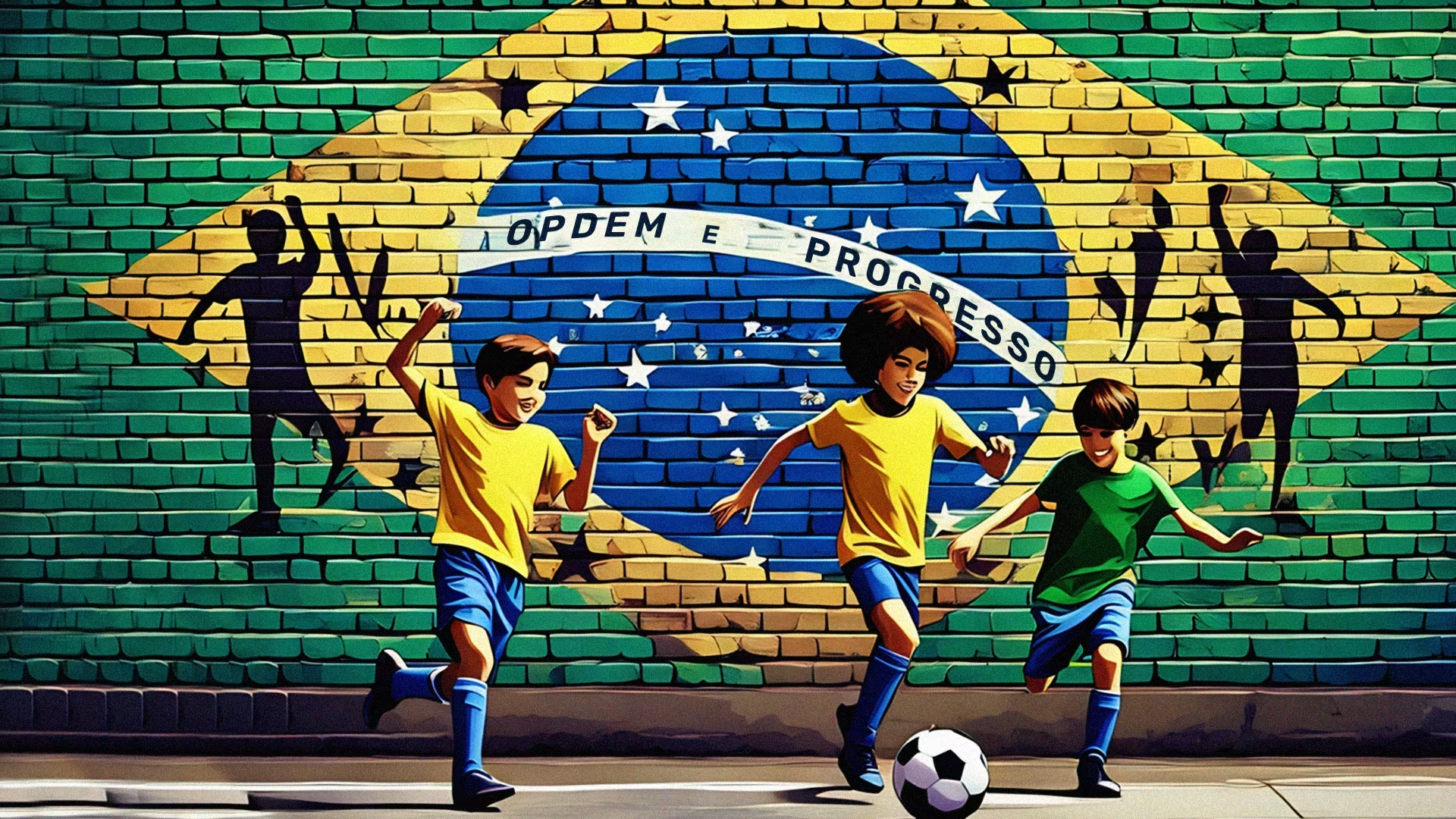
On the sandy beaches of Rio de Janeiro, in makeshift fields across São Paulo, and in the narrow streets of Salvador, kids learned to master the ball before they could even spell “futebol.” It was here, playing barefoot with little more than rags for a ball, that Brazil’s first legends began to shape their magic.
The Icons: Kings and Magicians of the Game
Brazil’s football history is a gallery of legends. The most iconic name, of course, is Pelé, the King of Football. Winning three World Cups (1958, 1962, and 1970), he defined a generation with his skill, vision, and grace. Pelé wasn't just a footballer; he was a national hero, a symbol of what Brazil could achieve on the world stage. His goals—over 1,000 in his career—became legendary, his style uniquely Brazilian.
Next came Zico, the "White Pelé" of the 1980s, known for his finesse and intelligence on the field. Then there was Romário, a deadly striker whose goals led Brazil to World Cup victory in 1994. Following in his footsteps, Ronaldo 'O Fenômeno' dazzled the world with his blistering speed, power, and technical brilliance, overcoming knee injuries to win the World Cup in 2002.
And of course, Ronaldinho, the ultimate showman, brought joy and flair to the game. With his infectious smile and an unmatched ability to make the ball dance, Ronaldinho reminded the world that football is supposed to be fun.
But Brazilian football isn’t just about individual brilliance. Neymar, one of today’s brightest stars, represents the new generation—mixing street football flair with modern athleticism. Neymar's journey from the streets of São Paulo to the global stage reflects the dreams of countless Brazilian kids, proving the fire still burns bright.
Why is Football So Brazilian?
Football isn’t just popular in Brazil; it is part of the nation’s soul. There’s a certain poetry in the way Brazilians play the game, known as “jogo bonito,” or the beautiful game. It’s about elegance, creativity, and the expression of joy through football. While European football has traditionally been structured and tactical, Brazilian football has always embraced freedom, flair, and spontaneity. There’s an artistry in Brazilian football that reflects the country’s diverse culture—its music, dance, and spirit of improvisation.
For many Brazilians, football offers a sense of community and belonging. Whether it's the roar of the Maracanã stadium or the daily games played on beaches and streets, the sport is everywhere. It’s a shared experience that transcends class and race, uniting people from all walks of life.
The Golden Years and the Future
Brazil is the only country to have won the FIFA World Cup five times (1958, 1962, 1970, 1994, 2002). These golden years solidified the country’s place as a footballing superpower. However, the past two decades have seen mixed results, with Brazil striving to rediscover the magic that once made them untouchable.
Despite their recent struggles, Brazil remains a football powerhouse, exporting more talent than any other nation. Every year, over 1,200 Brazilian footballers leave the country to play in leagues abroad, spreading their unique style across Europe, Asia, and beyond. This is a testament to Brazil’s unparalleled football production pipeline, which continues to develop world-class talent.
Brazil’s success starts at home. The country boasts the largest football academy network in the world, with thousands of academies training future stars. Clubs like Santos FC, São Paulo FC, and Fluminense FC have become legendary for producing talent. Santos alone gave the world Pelé and Neymar, while Fluminense nurtured Thiago Silva.
Where Is Brazilian Football Headed?
Brazil’s future lies in striking a balance between tradition and innovation. While the country’s football DNA will always be rooted in flair and creativity, it must adapt to the physical and tactical demands of modern football. The national team’s shocking 7-1 defeat to Germany in the 2014 World Cup semi-final was a painful reminder that football is evolving—and Brazil must evolve with it.
Yet, the future remains hopeful. New talents like Vinícius Júnior, Rodrygo, and Endrick are carrying the torch, blending that classic Brazilian creativity with the demands of the modern game. Brazil’s domestic leagues continue to produce world-class talent, and the country’s grassroots football remains as vibrant as ever.
As football continues to evolve, one thing remains certain: Brazil’s love for the game will never fade. From the favelas to the stadiums, football will always be more than just a sport in Brazil—it’s a way of life, a source of pride, and a reflection of the country’s soul.
The beautiful game is in their DNA, and while the world of football changes, that unbreakable bond between Brazil and the sport will forever remain.