
FIFA World Cup 2026
Schedule: Full Match Dates, Venues & Fixtures
Why The World Cup 2026 Is Different
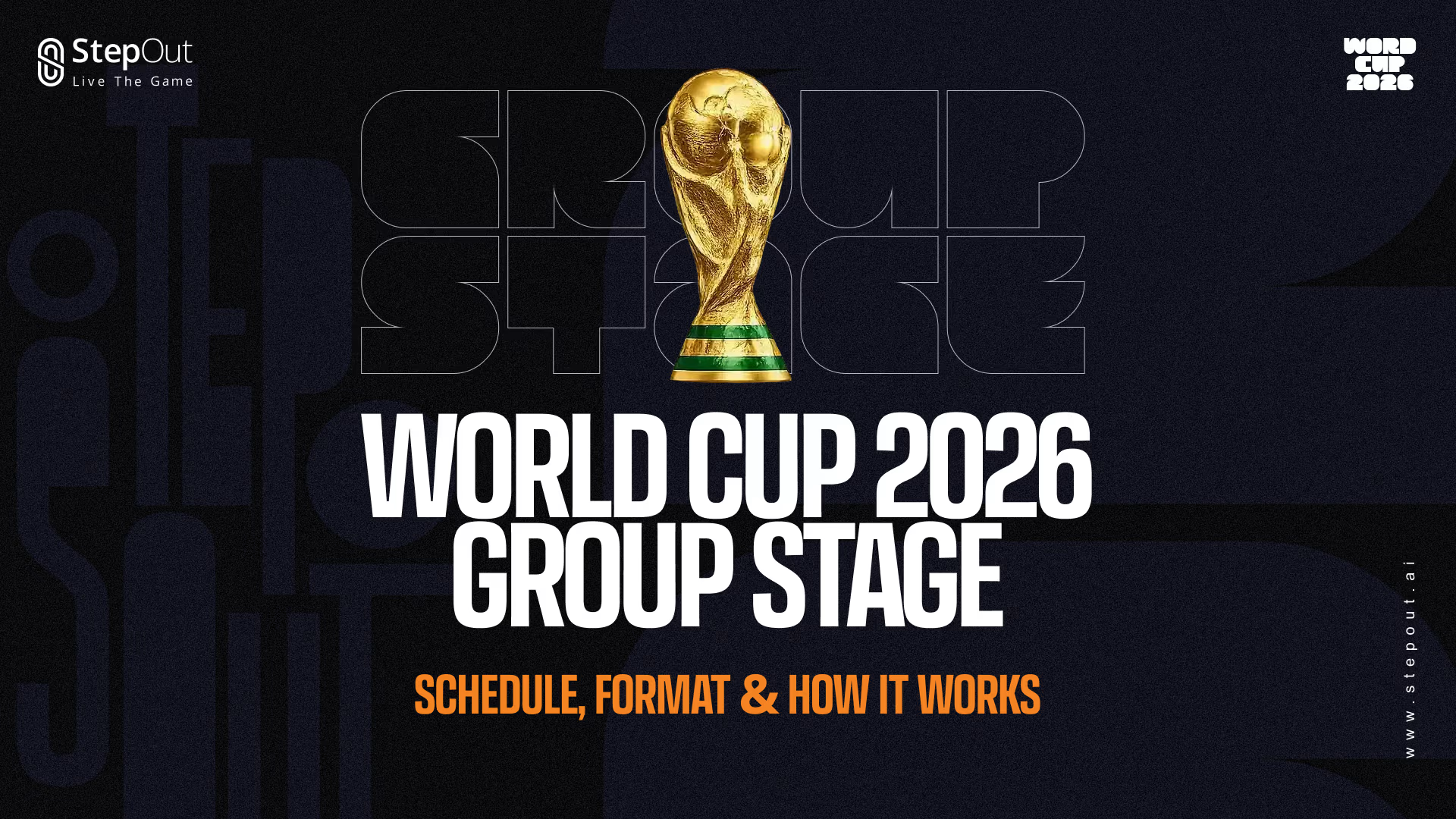
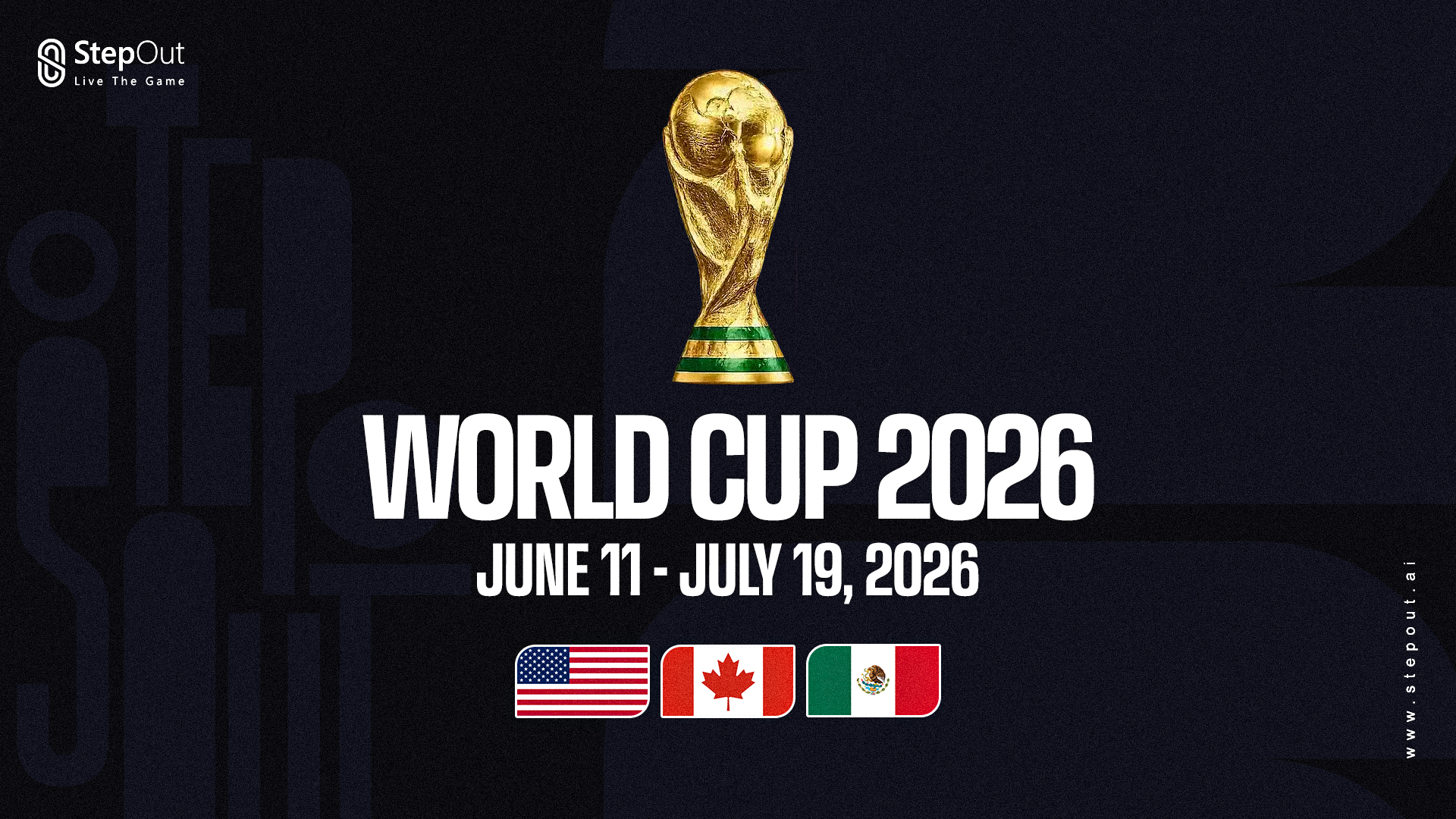
The World Cup 2026 is unique in more than one way; it is the first time in the tournament's history that three nations are co-hosting (the United States, Canada, and Mexico), and it is the first time the number of teams has gone from 32 to 48, meaning that there will be 104 matches across 39 days, more football than any edition before it. The increase in the number of teams also means that the tournament introduces a brand-new round: the Round of 32. So the knockout bracket now looks like this: Round of 32, Round of 16, Quarterfinals, Semifinals, and then the Final. It's a deeper, more unpredictable, and honestly? Probably more exciting as well. On the other hand, four nations, Cape Verde, Curaçao, Jordan, and Uzbekistan, will make their World Cup debut. Curaçao, remarkably, is the smallest nation by population ever to compete at a World Cup. Iraq returns to the tournament for the first time since 1986, a moment 40 years in the making. Meanwhile, Argentina arrive as defending champions, looking to prove their 2022 Qatar triumph wasn't a one-off.
Key Tournament Dates at a Glance
Before we get into the full FIFA World Cup 2026 schedule, here are the most important dates to mark in your calendar: Opening Match: June 11, 2026 Group Stage: June 11 - June 27, 2026 Round of 32: June 28 - July 3, 2026 Round of 16: July 4 - July 7, 2026 Quarterfinals: July 9 - July 11, 2026
Semifinals: July 14 - July 15, 2026
Third-Place Match: July 18, 2026
Final: July 19, 2026
Opening Match and The Grand Finale
The FIFA World Cup 2026 kicks off on Thursday, June 11 at the Mexico City Stadium. Mexico face South Africa in the opening game at 3 pm local time (19:00 GMT). It's a fitting start, with Mexico hosting their own World Cup opener in front of what promises to be an electrifying atmosphere. The final will be played on Sunday, July 19 at the New York New Jersey Stadium (officially renamed from MetLife Stadium for the tournament). Kickoff is at 3 pm local time (20:00 GMT). With a capacity of 78,576, it's the largest venue in the tournament.
The 16 Host Venues
Matches are spread across 16 stadiums in three countries. New York New Jersey Stadium (US) - 78,576 capacity (hosts the Final)
Dallas Stadium (US) - 70,122 (Hosts 9 matches, most of any venue)
San Francisco Bay Area Stadium (US) - 69,391
Los Angeles Stadium (US) - 69,650 (SoFi Stadium)
Houston Stadium (US) - 68,311
Kansas City Stadium (US) - 67,513
Atlanta Stadium (US) - 67,382
Seattle Stadium (US) - 65,123
Philadelphia Stadium (US) - 65,827
Boston Stadium (US) - 63,815
Miami Stadium (US) - 64,091 (hosts the Third-Place match)
BC Place, Vancouver (Canada) - 48,821
Toronto Stadium (Canada) - 44,315
Mexico City Stadium (Mexico) - 72,766 (hosts the Opening match)
Estadio Monterrey, Guadalupe (Mexico) - 50,113
Estadio Guadalajara, Zapopan (Mexico) - 44,330 Of the 104 matches, 78 take place on American soil, including every game from the quarterfinals onward. Canada and Mexico each host 13 matches, concentrated in the group stage and early knockout rounds.
All 12 Groups: FIFA World Cup 2026 Schedule Group Stage
Here's how the 48 nations have been drawn: Group A: Mexico, South Africa, South Korea, Czechia Group B: Canada, Bosnia and Herzegovina, Qatar, Switzerland
Group C: Brazil, Morocco, Scotland, Haiti
Group D: USA, Paraguay, Australia, Türkiye
Group E: Germany, Curaçao, Ivory Coast, Ecuador
Group F: Netherlands, Japan, Sweden, Tunisia
Group G: Belgium, Egypt, Iran, New Zealand
Group H: Spain, Cape Verde, Saudi Arabia, Uruguay
Group I: France, Senegal, Iraq, Norway
Group J: Argentina, Algeria, Austria, Jordan
Group K: Portugal, DR Congo, Uzbekistan, Colombia
Group L: England, Croatia, Ghana, Panama From the FIFA World Cup 2026 schedule group stage, the top two teams from each group advance automatically. The eight best third-placed teams also progress, setting up the new Round of 32.
Teams to Watch
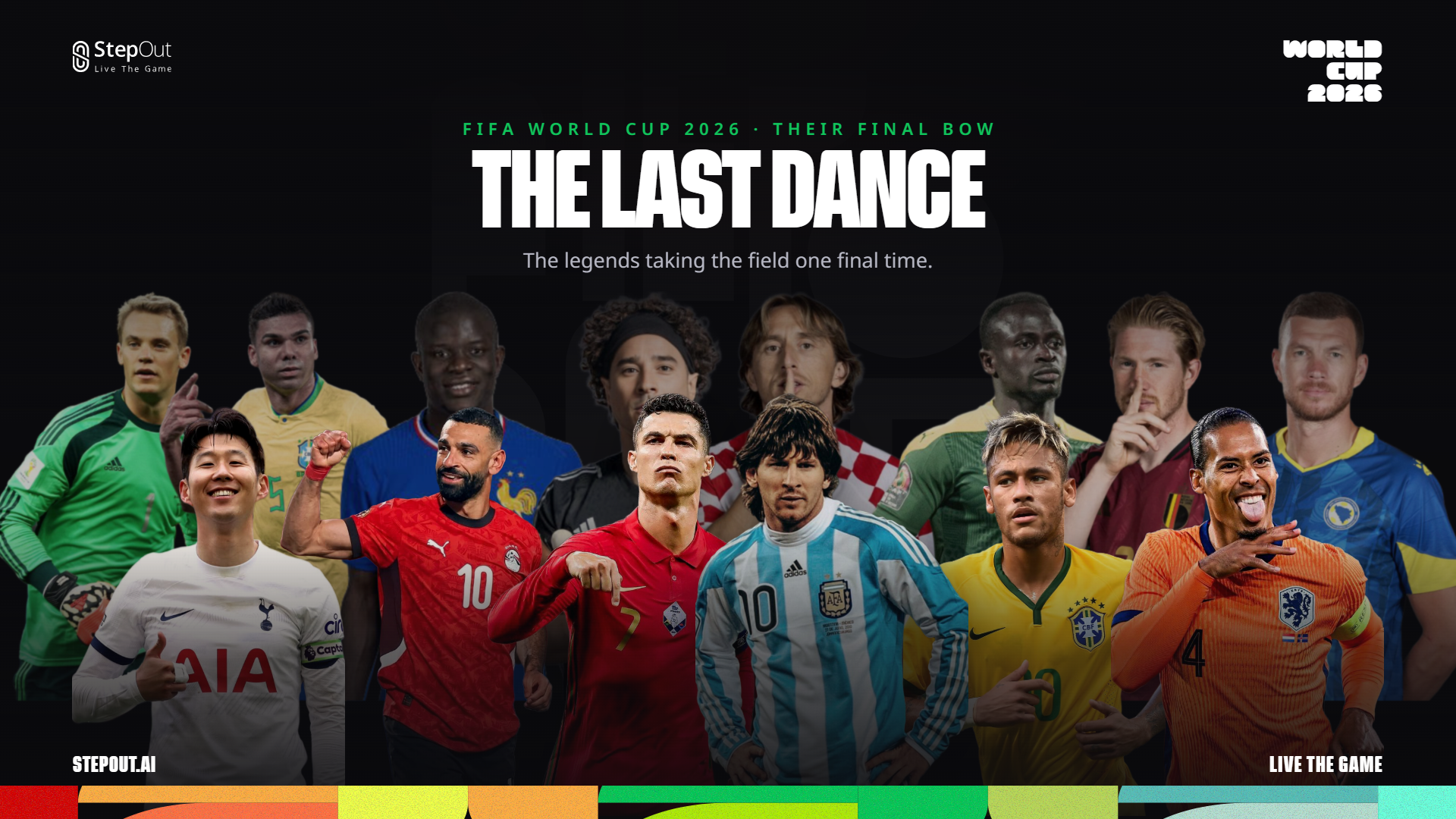
There's no shortage of compelling narratives heading into the tournament. Argentina arrive as reigning champions, but this could be one of Lionel Messi's last World Cups, and therefore, the pressure to repeat is immense. Brazil carry five World Cup titles and something to prove after years of near-misses. France are relentlessly consistent, with two titles and consecutive finals appearances to show for it. Germany are quietly dangerous, and England will, as ever, carry the hope of a nation. Among the newcomers, Iraq's story is arguably the most interesting. They secured the tournament's final spot with a 2–1 win over Bolivia in the intercontinental playoff final, thanks to a 53rd-minute winner from Aymen Hussein. It ended a 40-year absence from the World Cup. They're in Group I alongside France, Senegal, and Norway, which goes without saying, is a brutal draw, but they've earned the right to be there. A shock was the absence of Italy, the four-time champions, who failed to qualify after losing to Bosnia and Herzegovina on penalties in the European play-off final.
How to Follow Every Match
With matches spread across 3 countries, 3 time zones, and 39 days of football, keeping track of the FIFA World Cup 2026 schedule takes a bit of planning. Here are a few suggestions: Check local broadcast listings: The coverage varies by region, so confirm which platforms carry matches in your country Bookmark the FIFA official site: Receive live scores and confirmed kickoff times as the tournament progresses
Ready For the Whistle
The FIFA World Cup 2026 is shaping up to be something historic. The expanded format, the three-nation hosting setup, the debut nations, the returning giants, there's a lot going on. And with 104 matches on the 2026 FIFA World Cup dates between June 11 and July 19, there'll never be a shortage of football to watch. From football powerhouses like Brazil and France to rising nations like Uzbekistan and Curaçao stepping onto the World Cup stage for the very first time, this tournament promises something special for every kind of fan. Some will follow the giants chasing another title, while others will fall in love with the stories of debutants living out a dream. No matter who you support, the excitement, passion, and drama of the beautiful game are set to make waves on the biggest stage in football. Mark the dates, clear your schedules, and get your reminders ready because the World Cup experience is almost here.
.png "Les moments de la Coupe du monde qui ont marqué des générations")