




Transforming today's prodigies into tomorrow's icons!



The Reality of High School Soccer Programs
Many high school teams in the United States operate with limited budgets and minimal access to professional analysis tools. Coaches often rely on observation, experience, and manual video review to evaluate performances and make tactical adjustments. For women’s soccer programs in particular, balancing player development, match preparation, and injury management can become challenging without structured data support. Decisions related to player roles, substitutions, and tactical adjustments are frequently made under time pressure and with limited analytical resources. The coaching staff at Sam Houston High School Women's Soccer Team encountered this exact challenge during the season when an injury disrupted their midfield structure.

The Challenge: Replacing a Key Midfielder
During an important match, the team’s Attacking Central Midfielder suffered an injury that required an immediate tactical adjustment. Replacing such a role is rarely simple, as the position demands both creative contribution and structural balance between attack and defense. Initially, the coaching staff introduced a replacement based on observation and training performance. However, the impact on team balance was inconsistent. Without detailed performance data, it became difficult to determine which player could best replicate the tactical responsibilities of the injured midfielder. The coaching staff, led by head coach Mark, needed a clearer understanding of their players’ strengths, tendencies, and positional suitability.
The Solution: Turning to StepOut AI Analytics
To solve the problem, the coaching staff used StepOut’s AI-powered football analytics platform. The system transformed match footage into structured performance data, allowing the coach to review detailed player statistics and behavioral patterns from recent matches. Through these insights, the staff could compare players based on passing tendencies, positional involvement, defensive contribution, and overall impact on team structure. Instead of relying purely on subjective observation, the coach now had objective performance metrics to support tactical decisions. This allowed the coaching staff to evaluate which player’s playing style most closely matched the requirements of the Attacking Central Midfielder role.
Data-Driven Player Evaluation
By analyzing player performance profiles through StepOut, the coaching staff gained a deeper understanding of how each player contributed to different phases of the game. The platform enabled comparisons of player tendencies, including movement patterns, involvement in attacking sequences, and defensive recoveries. It also helped the coach assess physical output and decision-making tendencies within specific match situations. These insights allowed the coaching staff to identify the most suitable replacement for the injured midfielder while maintaining the team’s tactical structure.
The Outcome: Tactical Balance Restored
Once the coaching staff implemented the data-driven decision, the impact on team performance became visible. The newly assigned midfielder gradually adapted to the role, helping restore defensive stability and improving the team’s overall balance between attack and defense. The analysis also helped the coach refine the responsibilities of the Attacking Central Midfielder position within the team’s system. With clearer data on player tendencies, the coaching staff could better align individual strengths with tactical roles. Over time, this approach strengthened the team’s decision-making process and improved confidence in making rapid adjustments during matches.
A Coach’s Perspective
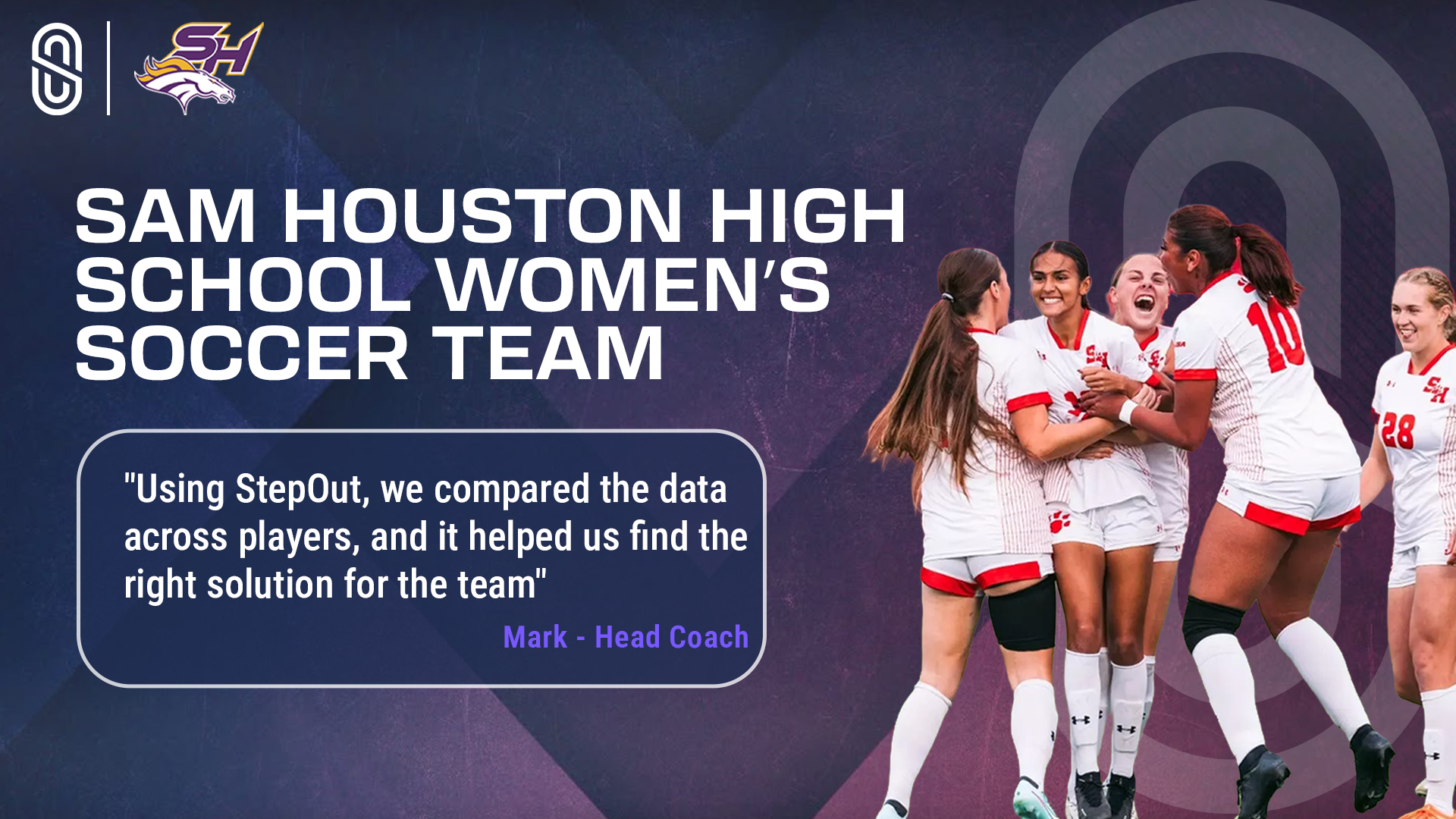
Head coach Mark shared how the platform influenced the team’s development. “We are truly enjoying the information and insight we gather from the StepOut platform. After our Attacking Central Midfielder got injured, we tried a replacement and saw both benefits and challenges. Using the platform, we started comparing the statistics and tendencies of other players. That helped us make a better decision. The change turned out to be positive for the team. We regained defensive balance and found a player who is growing into the role exactly as the data suggested.” The coach also noted that the data will continue to guide the team’s development and help improve tactical understanding across the squad.
What Coaches Can Learn from This Case
The experience highlights an important shift in modern coaching methodology. Instead of relying solely on intuition or observation, coaches can use data-driven analysis to support decision-making. Performance analytics allows coaches to evaluate player strengths objectively, track development over time, and align tactical roles more effectively with individual abilities. Even at grassroots or school levels, access to structured match data can transform how teams approach player development and match preparation.
Conclusion
The experience of the Sam Houston High School Women's Soccer Team demonstrates how AI-powered football analytics can benefit teams beyond elite professional environments. By using StepOut’s automated analysis platform, the coaching staff was able to make smarter tactical decisions, restore team balance, and improve confidence in managing unexpected challenges such as injuries. This case highlights a broader trend in football development: data-driven insights are becoming accessible not only to top professional clubs but also to grassroots teams, academies, and school programs. As analytics continues to evolve, tools like StepOut are helping coaches at every level make better decisions and develop players more effectively.
Access in-depth performance data, tactical intelligence, and AI-driven match insights for your team.
