
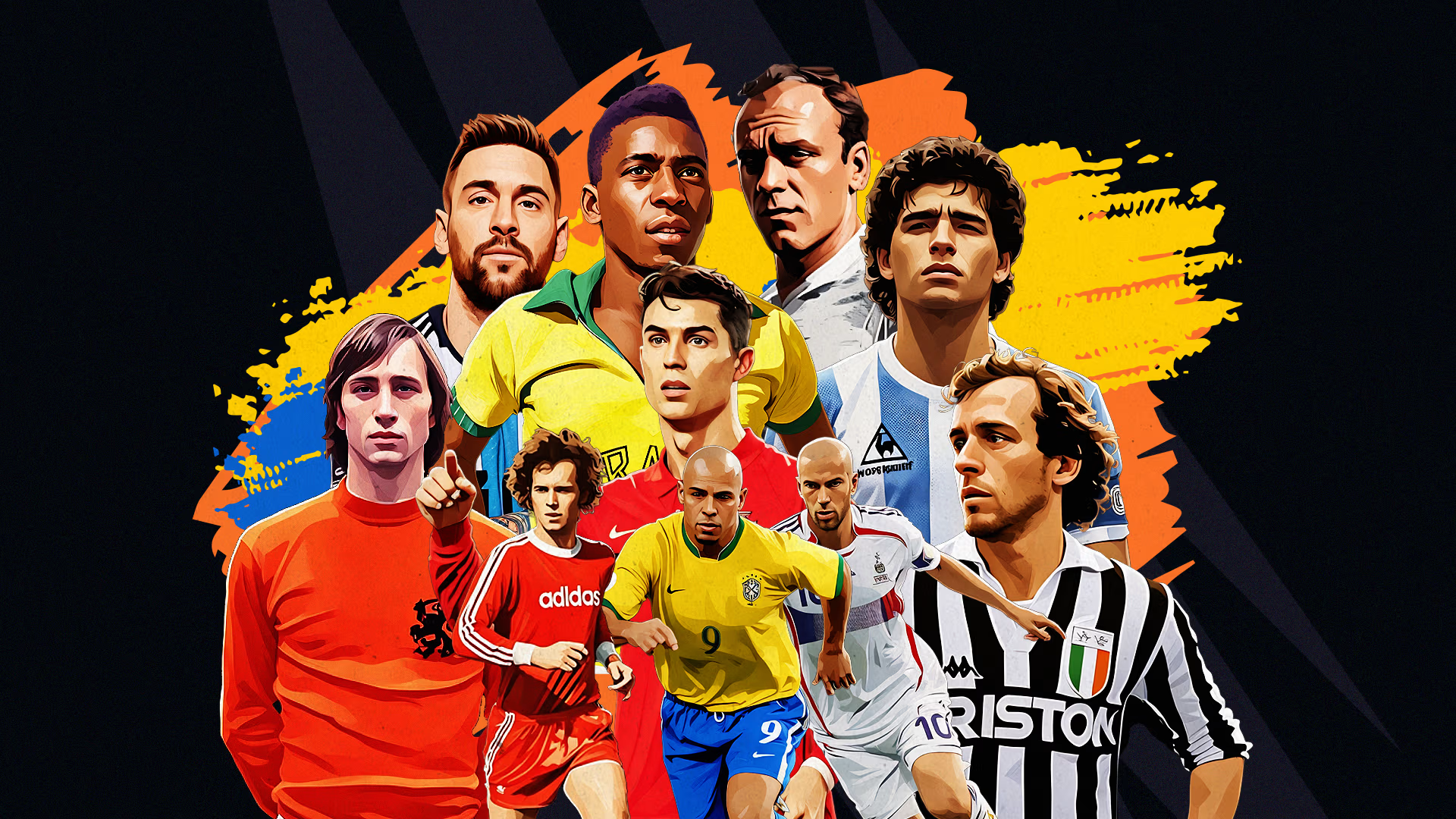
Top 10 Football Players of All time
legends from the past
1. Pelé – The King of Football
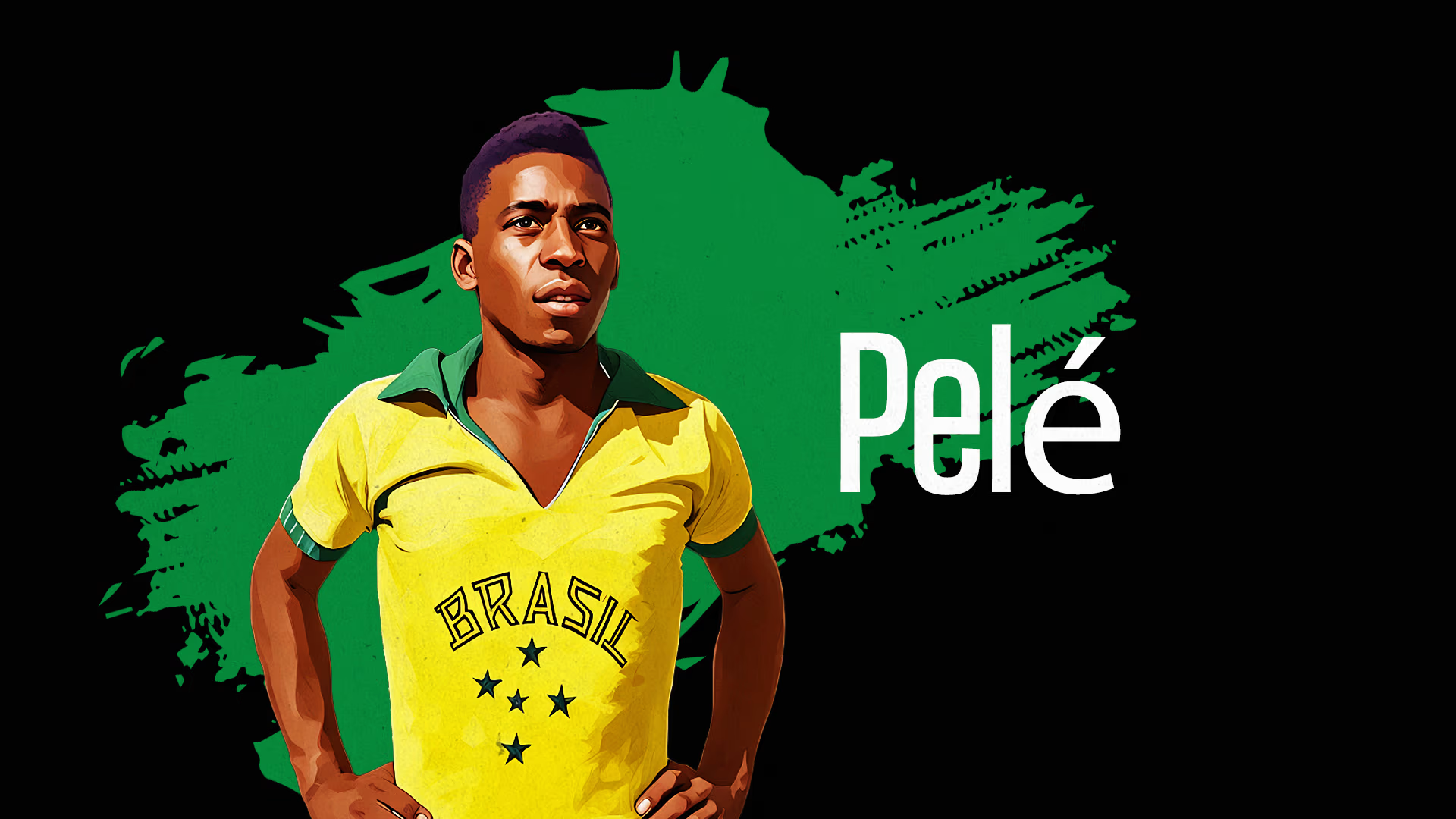
Some legends are born, but Pelé was crafted by the football gods themselves. With three World Cups (1958, 1962, 1970) and over 1,200 career goals, Pelé didn’t just dominate—he made football a global phenomenon. From his teenage heroics in Sweden to his leadership in Brazil’s golden 1970 campaign, Pelé’s name is synonymous with greatness. Legacy: The original GOAT, he brought beauty, skill, and charm to football like no one before him.
2. Diego Maradona – The Golden Boy
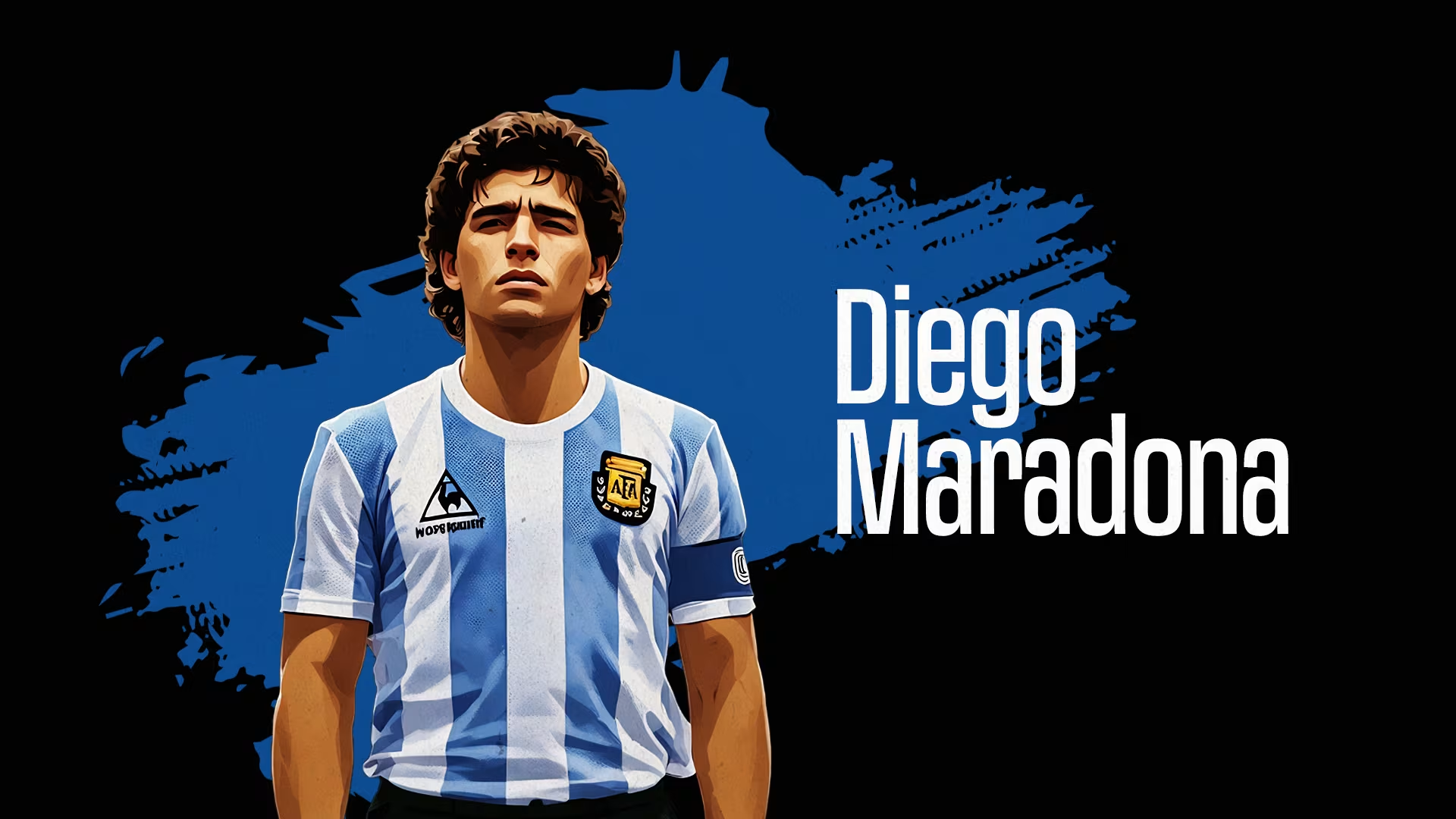
If football were art, Maradona would be its greatest painter. His left foot crafted dreams, nightmares (ask England), and history. The 1986 World Cup was his magnum opus, where he produced the “Hand of God” and the “Goal of the Century” within 10 minutes. No player could turn chaos into magic quite like Diego. Why He’s Special: Carrying Napoli to glory and Argentina to immortality, Maradona didn’t just play football—he lived it.
3. Lionel Messi – The Modern Maestro
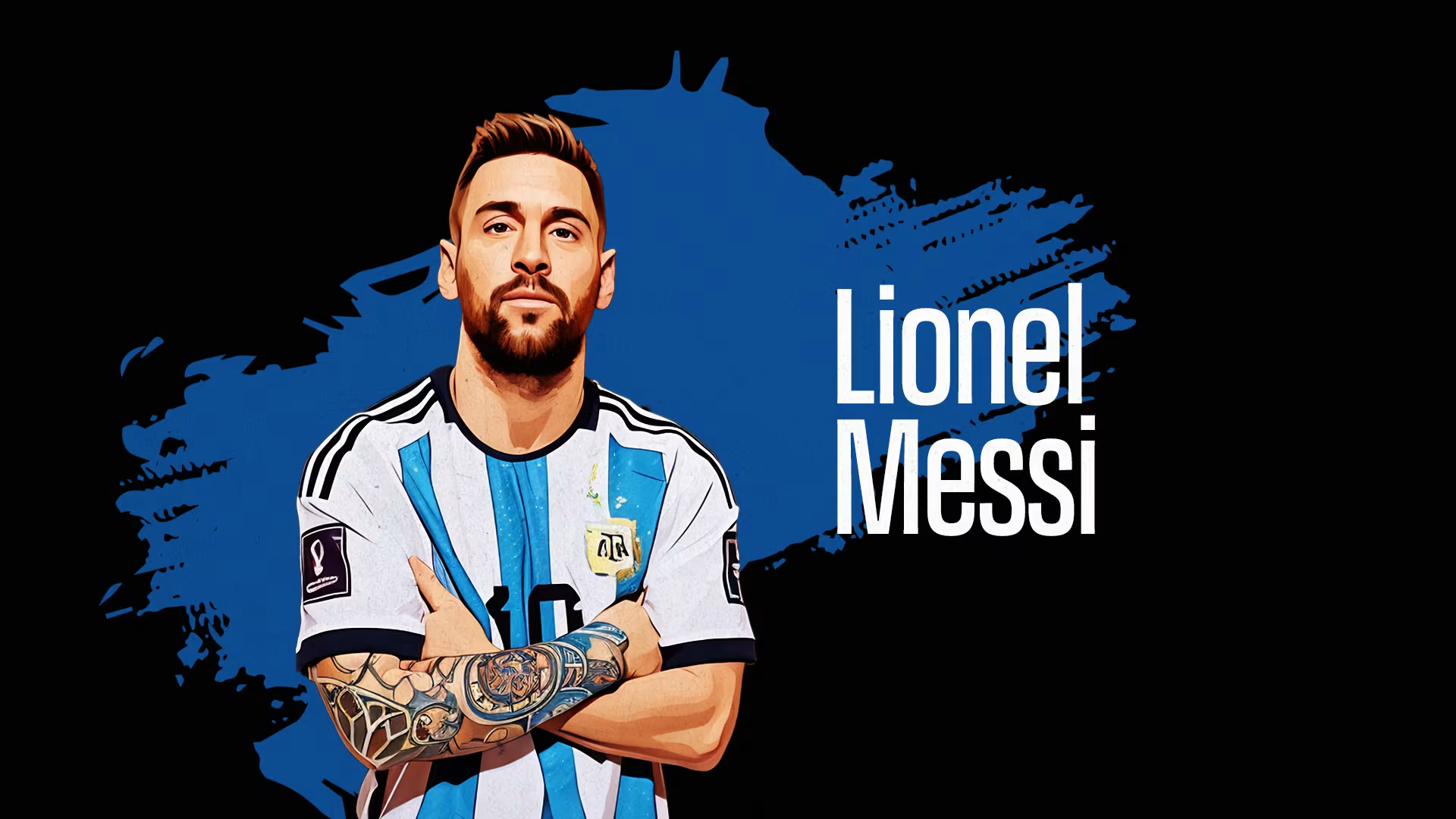
Watching Messi is like witnessing a symphony in motion. His accolades? Almost too many to list: 7 Ballon d’Ors, a 2022 World Cup, and countless trophies with Barcelona and Argentina. Whether dribbling past defenders as if they’re training cones or delivering a pinpoint assist, Messi is football’s ultimate virtuoso. Iconic Moment: Lifting the World Cup in 2022, completing the fairy tale that eluded him for years.
4. Cristiano Ronaldo – The Relentless Machine
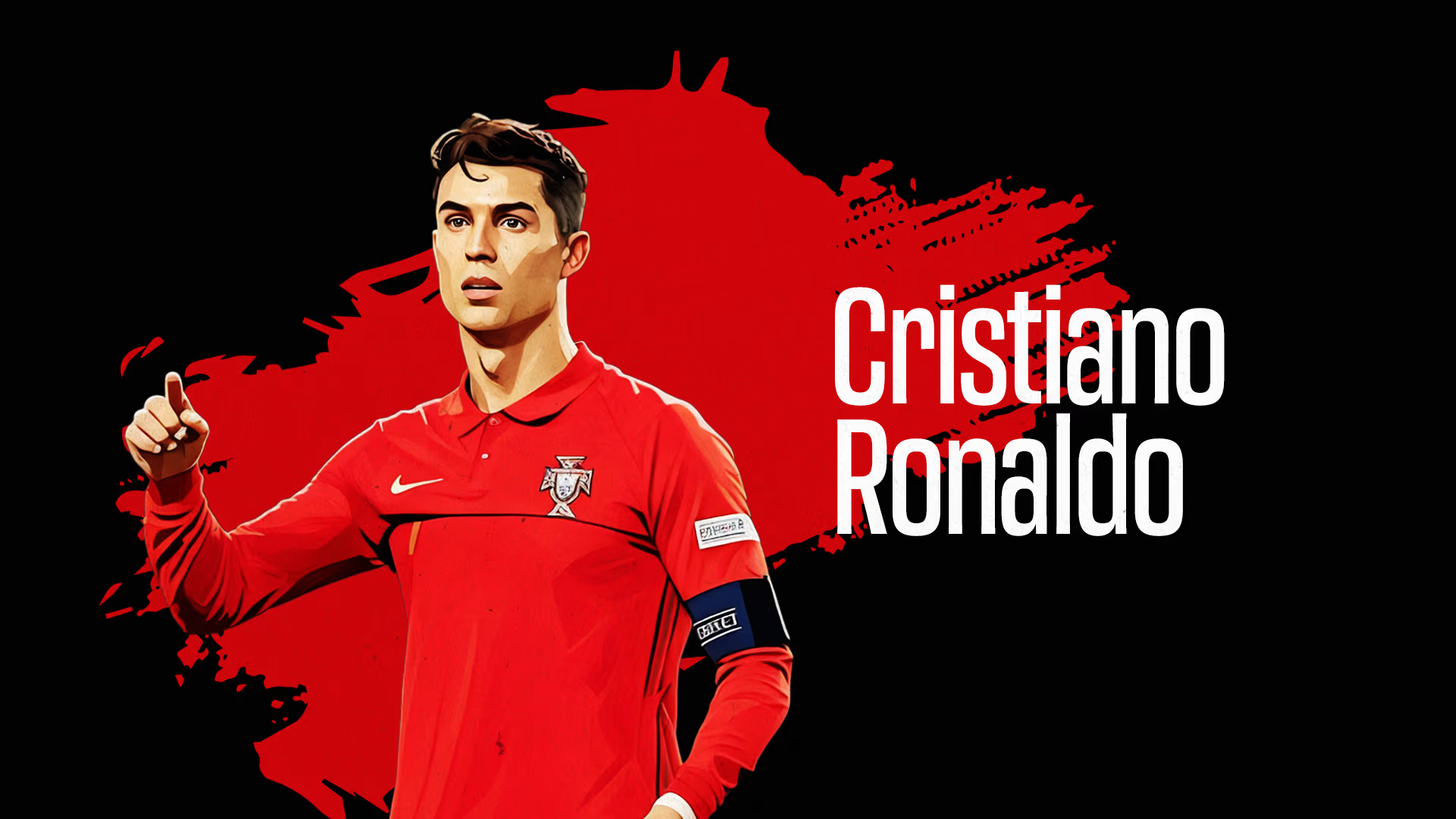
Cristiano Ronaldo didn’t just arrive at greatness; he built it brick by brick. With 5 Ballon d’Ors, multiple Champions League titles, and a European Championship with Portugal, his career is a testament to hard work, discipline, and a knack for scoring when it matters most. Signature Moment: That jaw-dropping overhead kick against Juventus in 2018—a goal so good, even rival fans stood to applaud.
5. Johan Cruyff – The Philosopher of Football
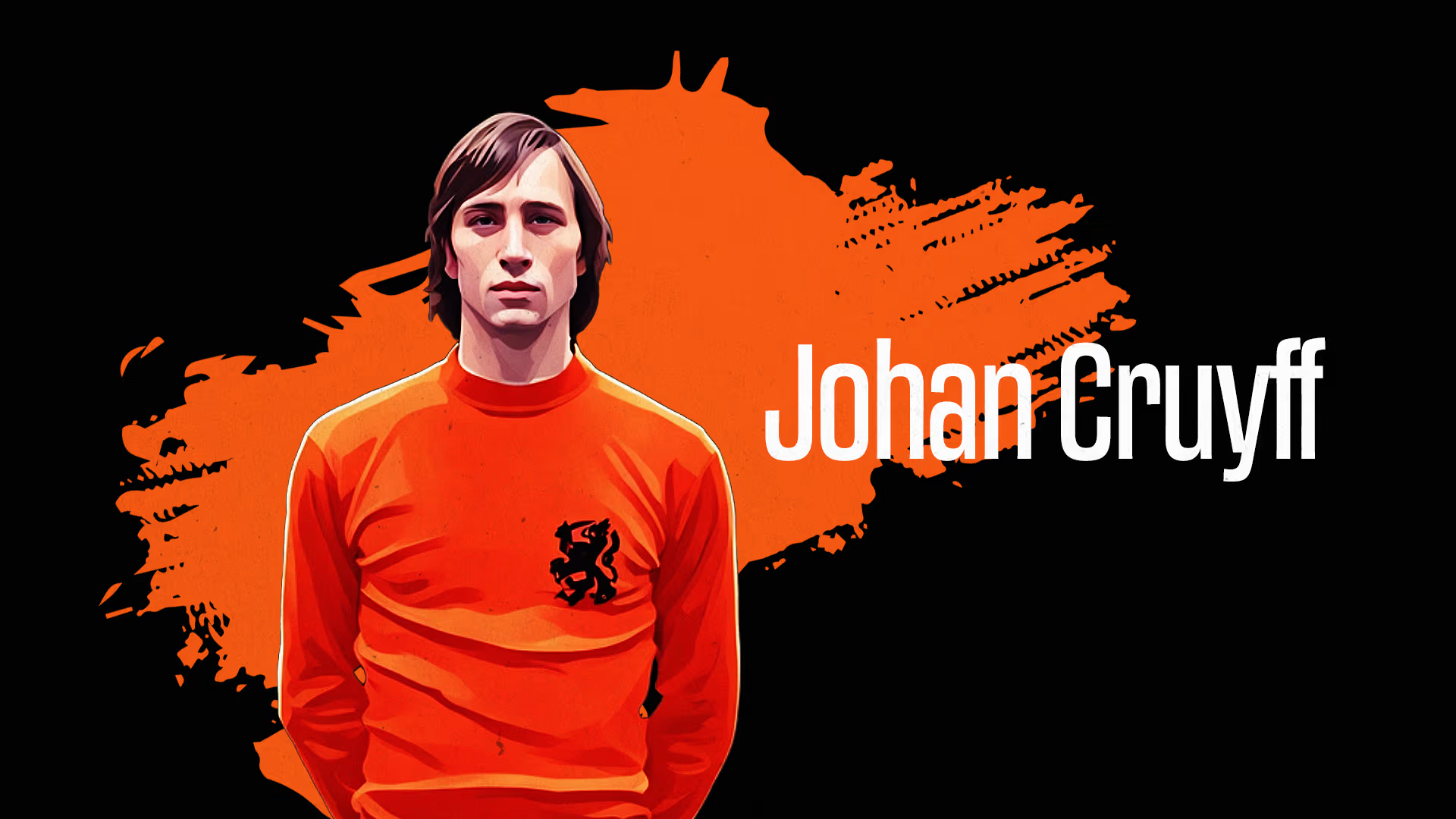
Cruyff didn’t just play football—he reimagined it. As the face of Total Football, he led Ajax to European glory and transformed Barcelona’s DNA. On the pitch, his elegance and creativity were unmatched, but his impact as a thinker of the game might be his greatest legacy. Why He’s Here: The Cruyff Turn isn’t just a move; it’s a philosophy encapsulated in a single motion.
6. Zinedine Zidane – The Epitome of Elegance
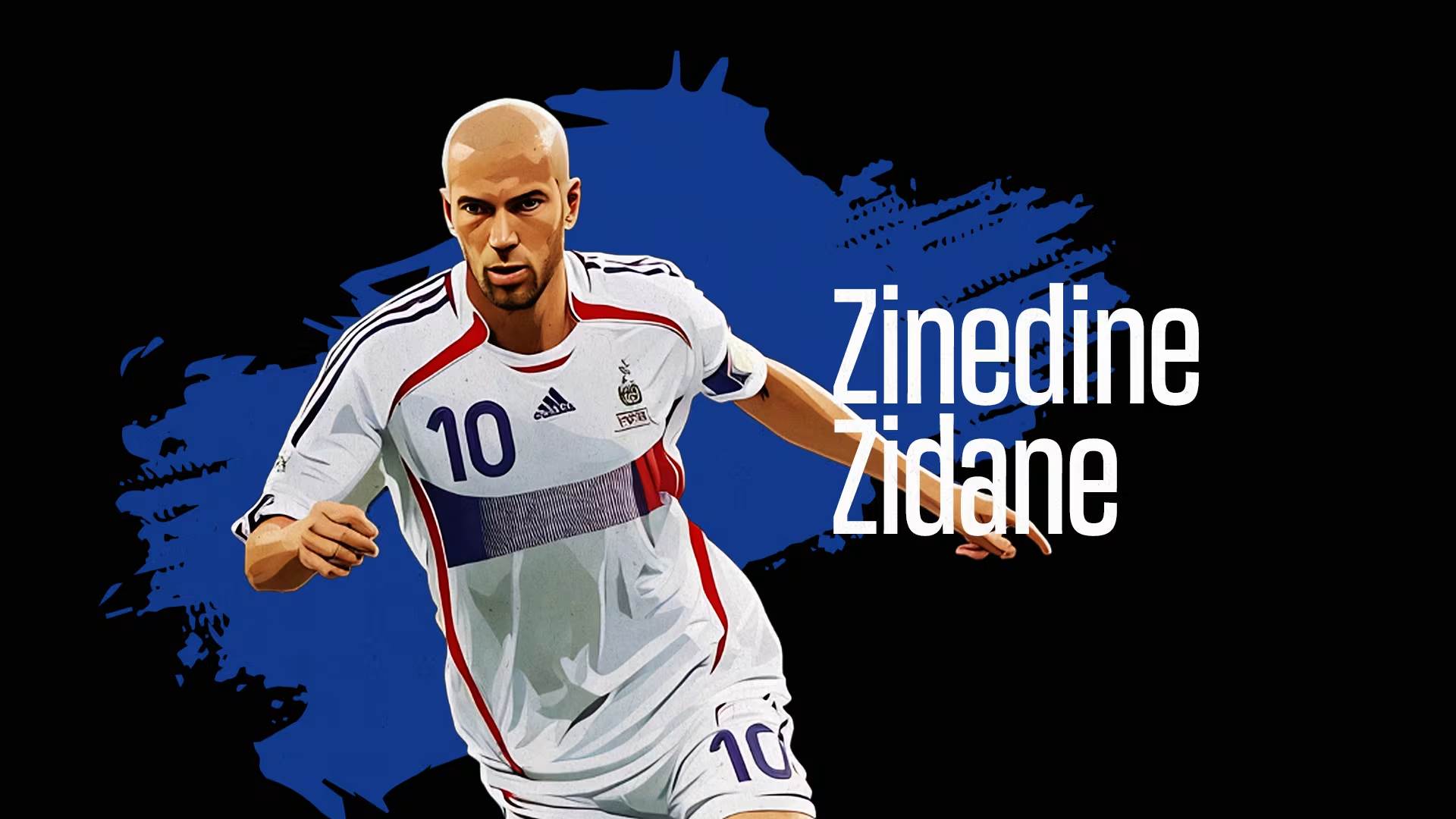
Few players have blended power and grace like Zidane. His ability to control the tempo of a match was unparalleled, and his technical mastery made every touch look effortless. From his volley in the 2002 Champions League final to leading France to a 1998 World Cup, Zidane epitomized clutch performances. Defining Trait: The man for the big occasions—when the stakes were highest, Zidane delivered.
7. Alfredo Di Stéfano – The Complete Player
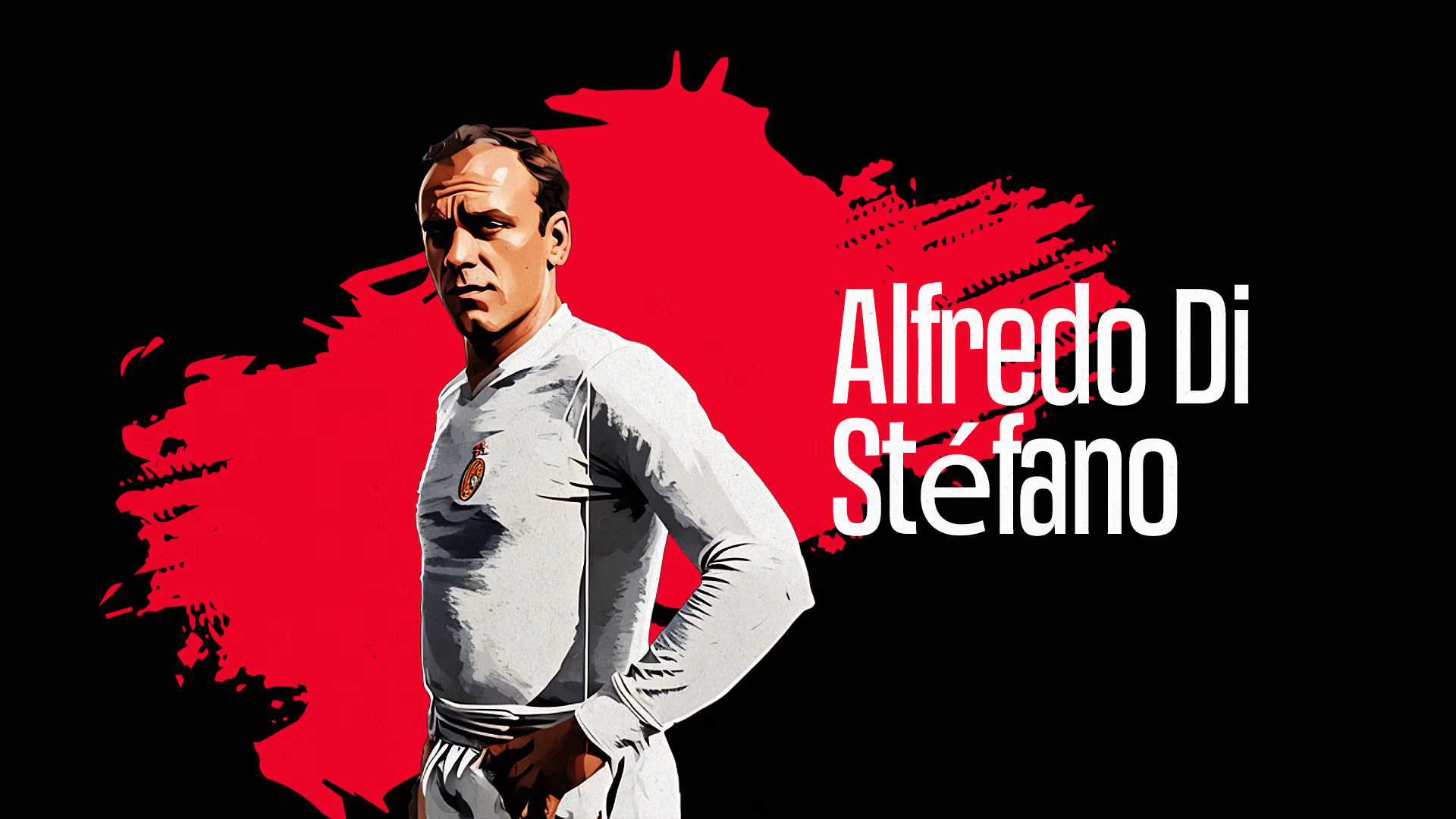
Di Stéfano was a pioneer, a player who could do it all—score, assist, and dominate the midfield. As the heartbeat of Real Madrid’s five consecutive European Cups, he set the standard for modern attackers. Though his international career lacked a World Cup stage, his club achievements remain untouchable. Why He Belongs: The blueprint for what it means to be a complete footballer.
8. Michel Platini – The Midfield Maestro
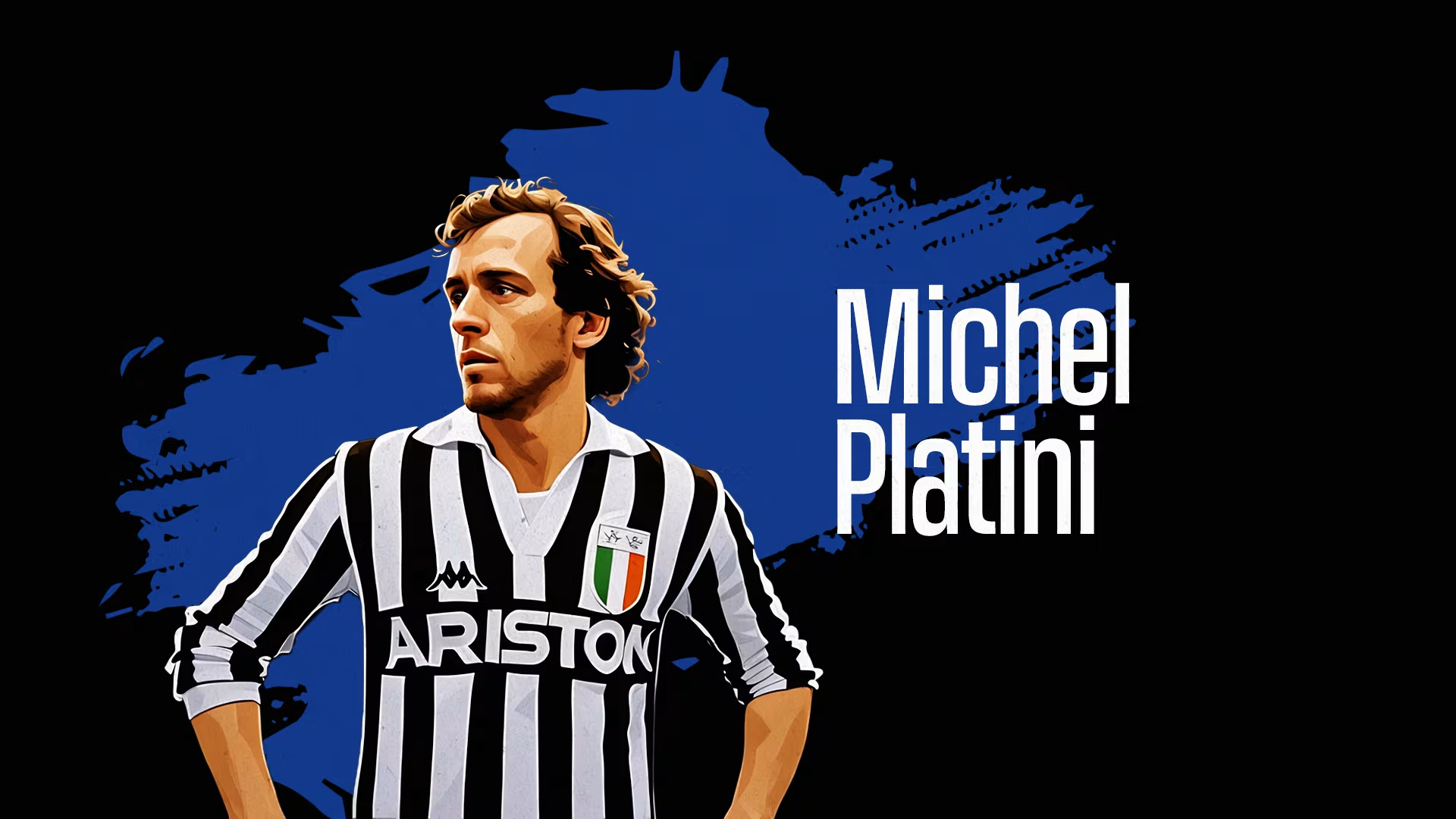
In the 1980s, Platini ruled European football. His three Ballon d’Ors and his heroics in leading France to the 1984 European Championship showcased his unique ability to combine creativity and goal-scoring prowess. Platini’s flair and precision made him the engine of every team he played for. Legacy: Proof that midfielders can dictate games and shine brighter than strikers.
9. Franz Beckenbauer – The Kaiser
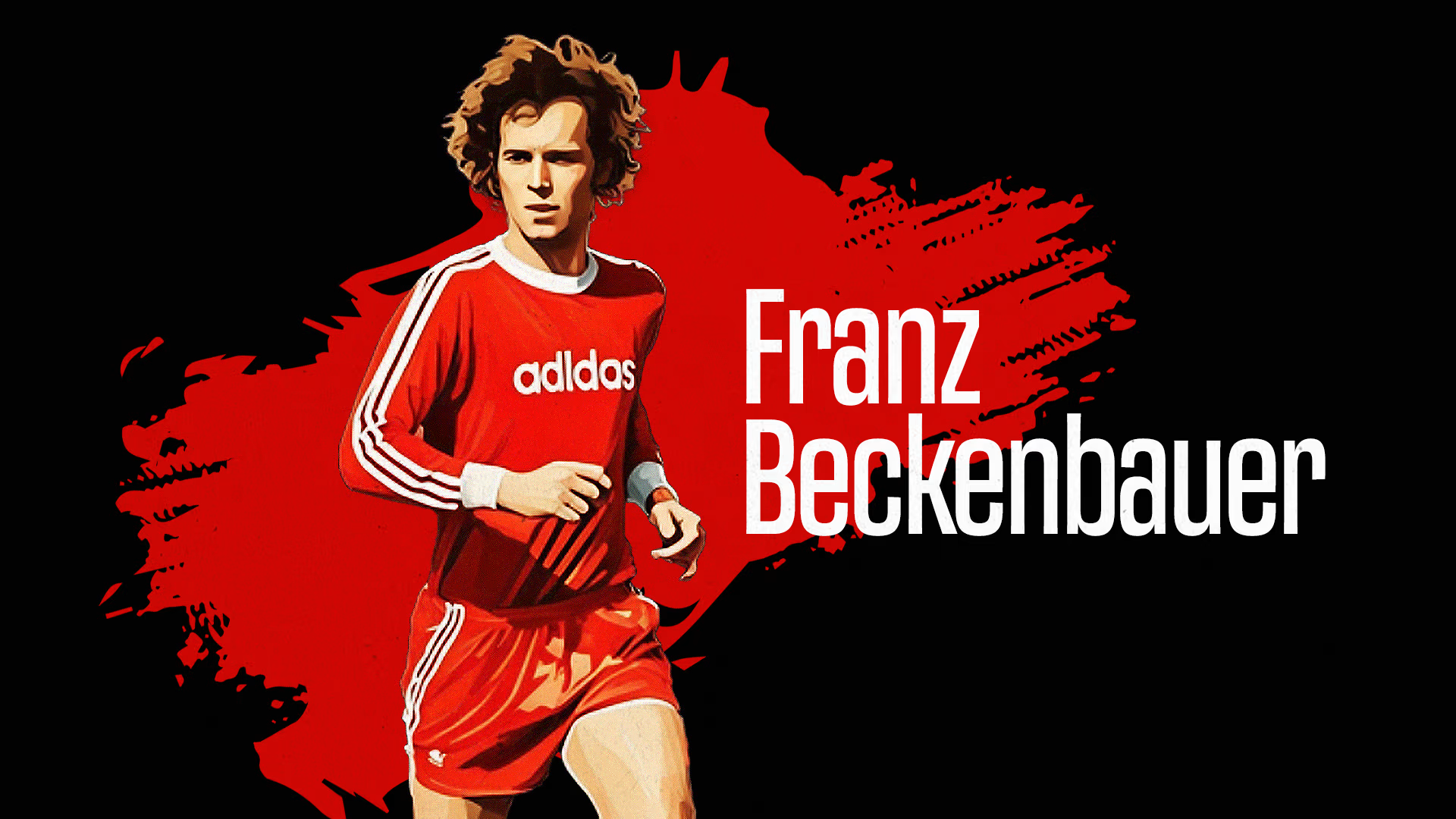
Beckenbauer wasn’t just a defender; he was an architect. Inventing the libero (sweeper) role, he orchestrated play from the back with elegance and precision. Leading Germany to a 1974 World Cup and Bayern Munich to three European Cups, “Der Kaiser” defined defensive excellence. Impact Beyond Numbers: He proved that defenders could be as influential as attackers in shaping the game.
10. Ronaldo Nazário (R9) – The Phenomenon
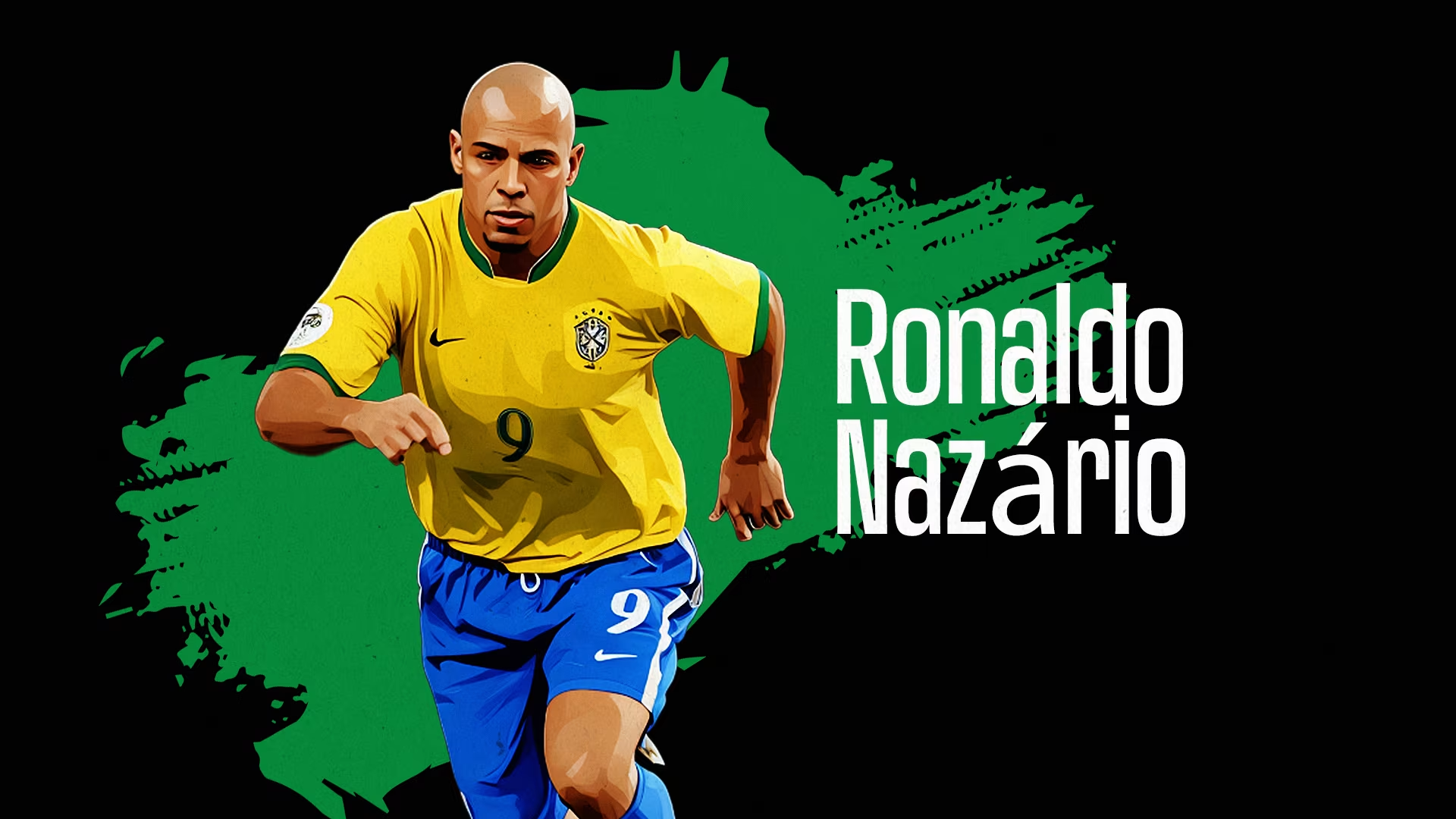
Before injuries hampered his career, Ronaldo Nazário was simply unstoppable. Blistering pace, dazzling footwork, and clinical finishing made him a defender’s nightmare. With two World Cups and two Ballon d’Ors, R9 redefined what it meant to be a striker. Signature Moment: His 8-goal haul in the 2002 World Cup, capped by a match-winning brace in the final, reminded the world why he was “The Phenomenon.” Who are considered the top 10 football players of all time?
Lionel Messi; Pelé; Diego Maradona; Cristiano Ronaldo; Johan Cruyff; Zinedine Zidane; Gerd Müller; Ronaldo Nazário; Alfredo di Stéfano; Michel Platini
Are modern players better than football legends?
Subjective- modern players benefit from better training, but legends had unmatched impact in their eras.
How does Cristiano Ronaldo rank among football legends?
Commonly ranked among top 5 all-time.
How many World Cups did top players win?
Pelé (3); Maradona (1); Ronaldo Nazário (2); Lionel Messi (1)
Is Lionel Messi the greatest footballer ever?
Widely considered the greatest by many, especially after 2022 World Cup and record Ballon d’Ors.
Was Pelé better than Maradona?
Subjective - many rank Pelé higher, but Maradona revered for his genius and 1986 World Cup.
Which players won the most Ballon d'Ors?
Lionel Messi (7 or more); Cristiano Ronaldo (5)
Who are the best footballers in history by goals?
Ronaldo Nazário (~936 total); Lionel Messi (~900+); Josef Bican; Romário; Pelé; Gerd Müller; Puskás
Who are the most influential players in football history?
Pelé; Maradona; Johan Cruyff; Eusebio; Franz Beckenbauer; Messi; Ronaldo (in modern era)
Who is the most skillful football player in history?
Maradona often cited; Ronaldinho also highly rated for flair and dribbling
Frequently Asked Questions
Who is considered the greatest football player of all time?
There is no definitive answer, as different eras produce different standards of greatness. Players such as Lionel Messi, Pelé, and Diego Maradona are often at the center of the debate due to their achievements, influence on the game, and ability to perform consistently at the highest level.
What factors are used to rank the greatest football players in history?
Great players are typically evaluated through a combination of trophies, individual awards, longevity, technical ability, leadership, and impact in major tournaments. Today, platforms like StepOut also use advanced performance data to provide deeper insight into a player's overall influence beyond traditional statistics.
Why are football analytics becoming important in GOAT discussions?
Traditional statistics only tell part of the story. Modern football analytics help measure ball progression, chance creation, defensive contribution, pressing actions, and overall match impact. This is where data-driven platforms such as StepOut help coaches, analysts, and fans understand player performance from a more complete perspective.
How has football changed across different generations of players?
Football has evolved significantly in terms of tactics, athletic demands, coaching methods, and performance analysis. Comparing players across eras requires understanding the context in which they played, including the style of football, quality of opposition, and the resources available to support player development.
Can data help compare football players from different eras?
While no dataset can perfectly compare players across generations, modern football intelligence platforms like StepOut can provide objective performance insights that add context to traditional debates. Data helps identify playing styles, strengths, and overall influence, creating a more informed discussion around football's greatest players.
.png "The World Cup Moments That Defined Generations")